

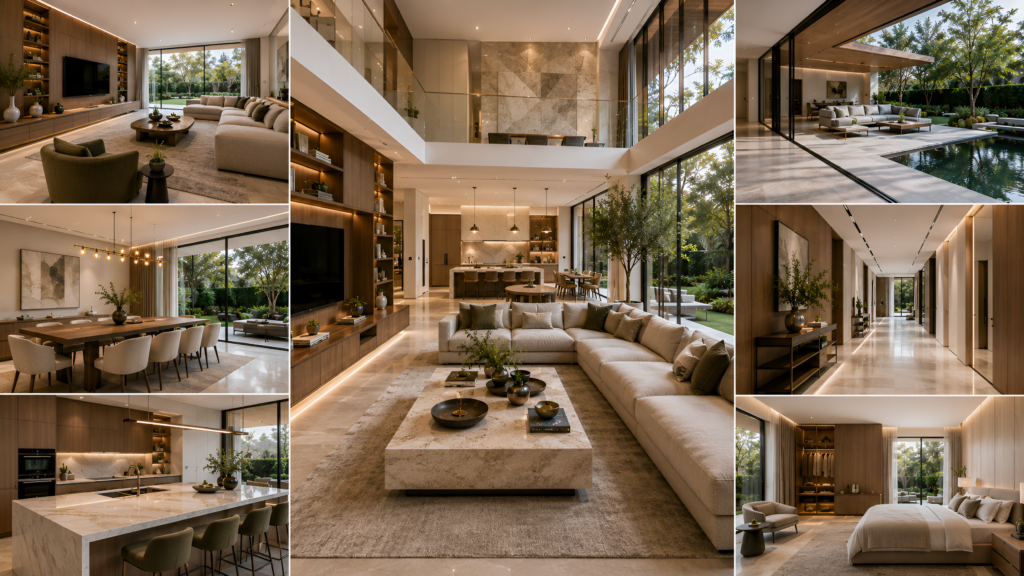
Modern luxury homes are no longer defined solely by expensive materials or beautiful furniture—they are defined by how effortlessly each space connects to the next. This concept, known as spatial flow, has become one of the most important principles in contemporary interior design.
Whether you are designing a compact apartment or a sprawling villa, creating a natural movement between rooms improves functionality, enhances comfort, and makes your home feel larger and more inviting. Spatial flow ensures that every area serves its purpose while maintaining harmony with the overall design.
When paired with bespoke furniture, carefully planned layouts, and a consistent material palette, spatial flow transforms ordinary interiors into luxurious living experiences. This guide explores why spatial flow matters and how you can incorporate it into your own home for timeless elegance.
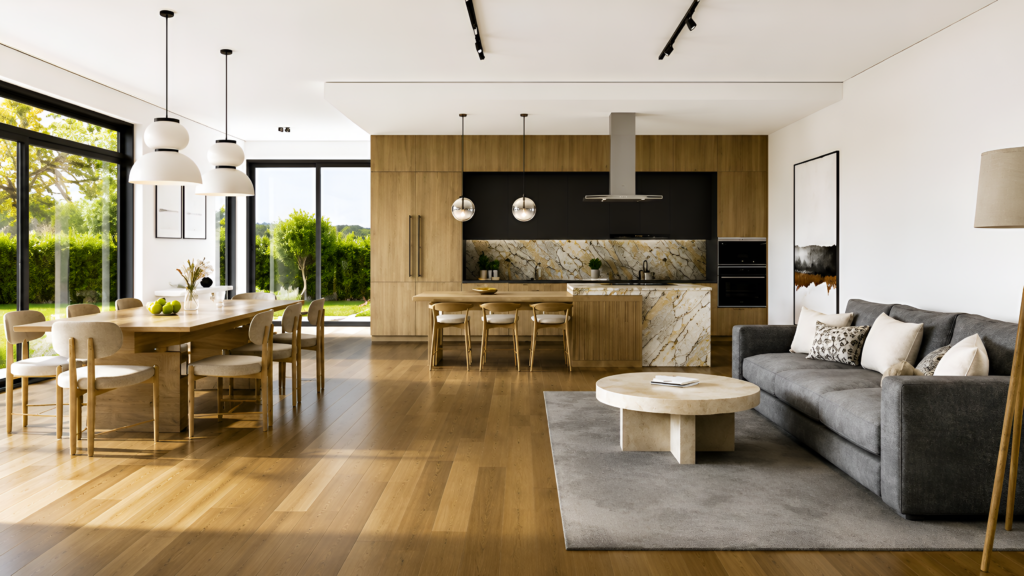
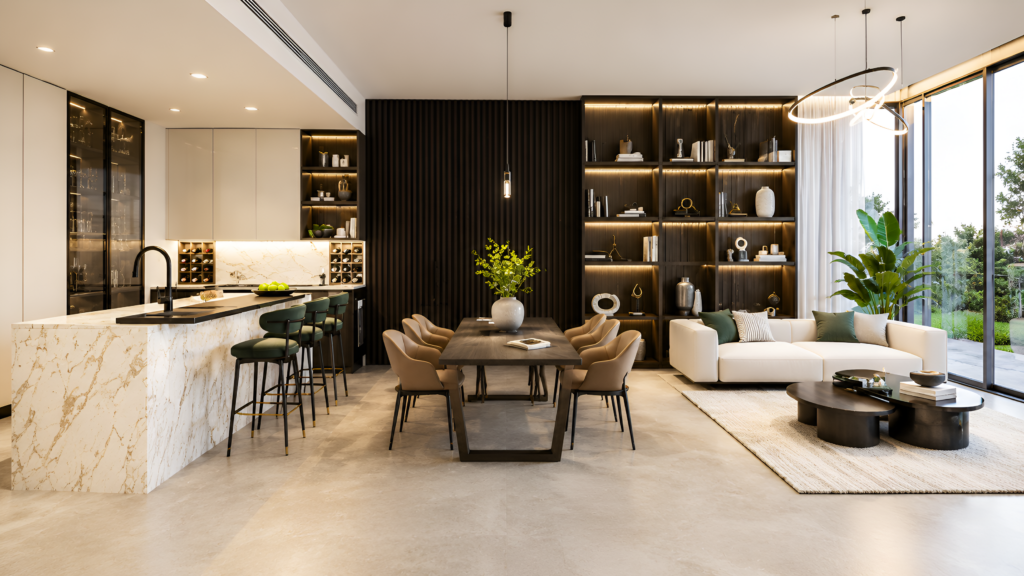
Spatial flow refers to the way people naturally move through a home, focusing on creating clear pathways, maintaining visual continuity, and ensuring that each room transitions seamlessly into the next without feeling disconnected. Instead of treating every room as a separate space, modern interior designers aim to create a unified living experience where furniture placement, lighting, materials, and architectural elements work together in harmony. A well-designed spatial flow enhances daily functionality, encourages natural movement, creates a sense of visual openness, improves comfort, supports social interaction, and elevates the overall luxury appeal of the home. When every space is thoughtfully connected, the home feels intuitive, balanced, and effortlessly welcoming, allowing each area to naturally lead into the next while maintaining a cohesive and elegant design.
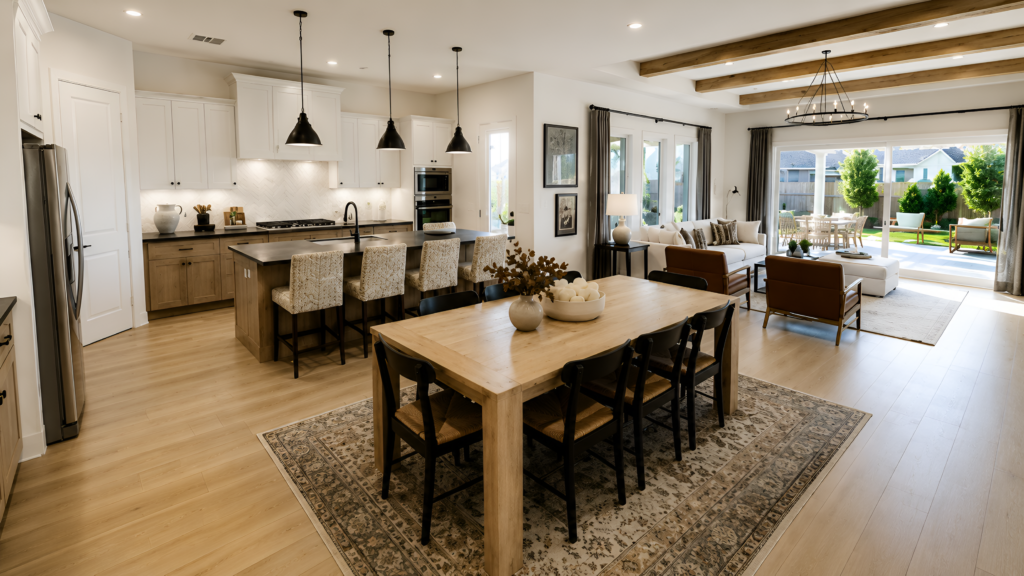
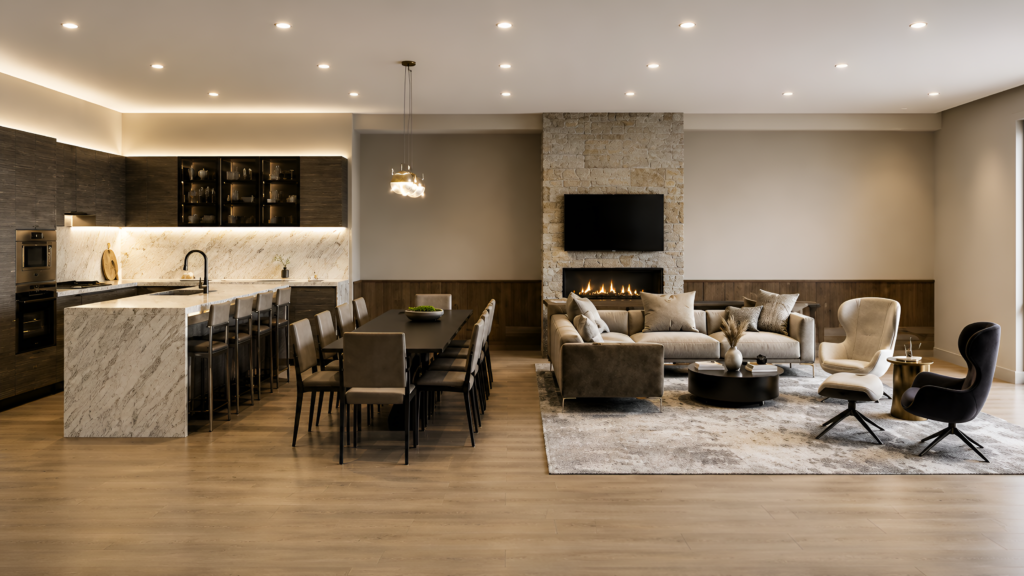
Today’s homeowners increasingly seek homes that feel open, flexible, and highly functional, making spatial flow a key element of modern interior design. A well-planned layout creates a sense of balance by removing unnecessary barriers and allowing effortless movement between spaces. This thoughtful design approach makes homes appear larger than their actual size while encouraging better interaction among family members. It also maximizes natural light, enhances air circulation, and creates a more welcoming environment for entertaining guests. Beyond aesthetics, excellent spatial flow improves everyday comfort, usability, and convenience, ensuring that every area of the home feels connected and purposeful. In luxury homes, spatial flow is not just about creating visual appeal—it is about enhancing the overall living experience through intelligent planning and seamless design.
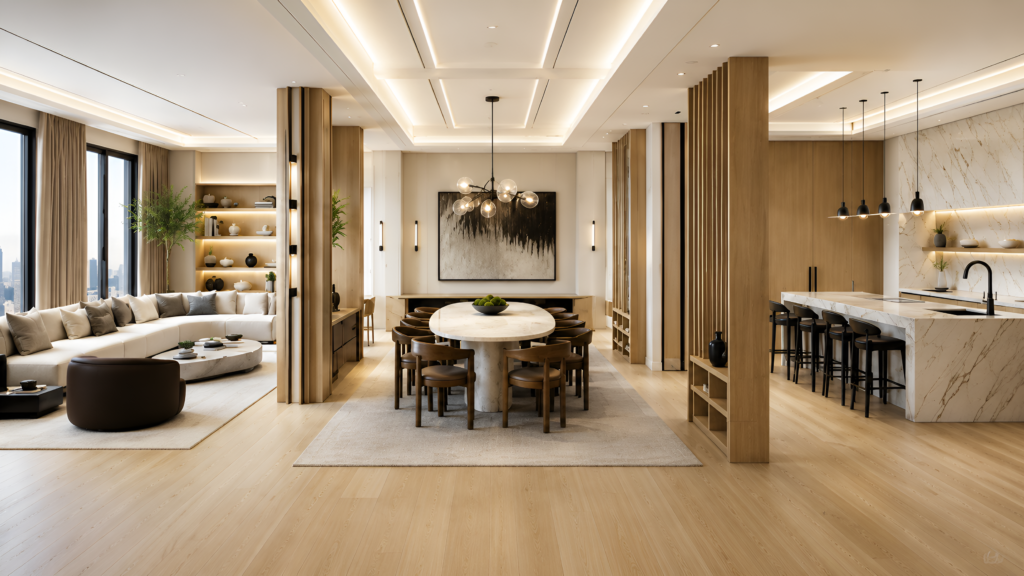
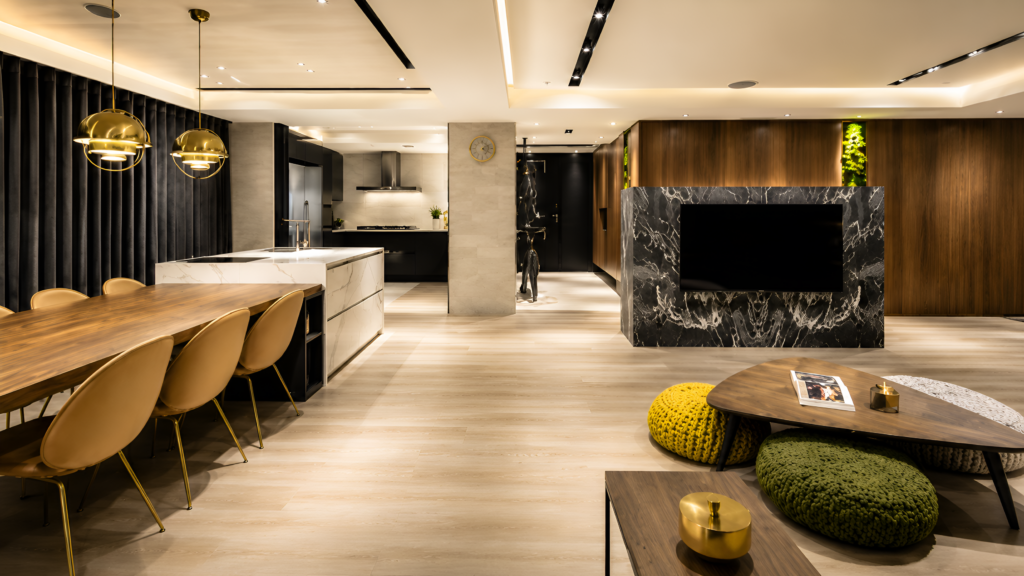
One of the defining characteristics of modern homes is the open-plan layout. Instead of separating every function with walls, designers combine the living room, dining area, and kitchen into one cohesive environment that promotes both functionality and aesthetics. This layout encourages better communication by allowing family members and guests to interact freely across different areas of the home. It also maximizes natural daylight, creating brighter interiors that feel warm and welcoming throughout the day. The absence of unnecessary partitions makes the home appear more spacious while offering greater flexibility in furniture placement and future layout changes. Whether you’re entertaining guests or enjoying everyday living, an open floor plan provides a seamless flow between spaces while ensuring that each zone remains visually distinct through thoughtful furniture arrangement, lighting, materials, and décor. This balance of openness and organization is what makes modern open-plan homes both practical and visually appealing.
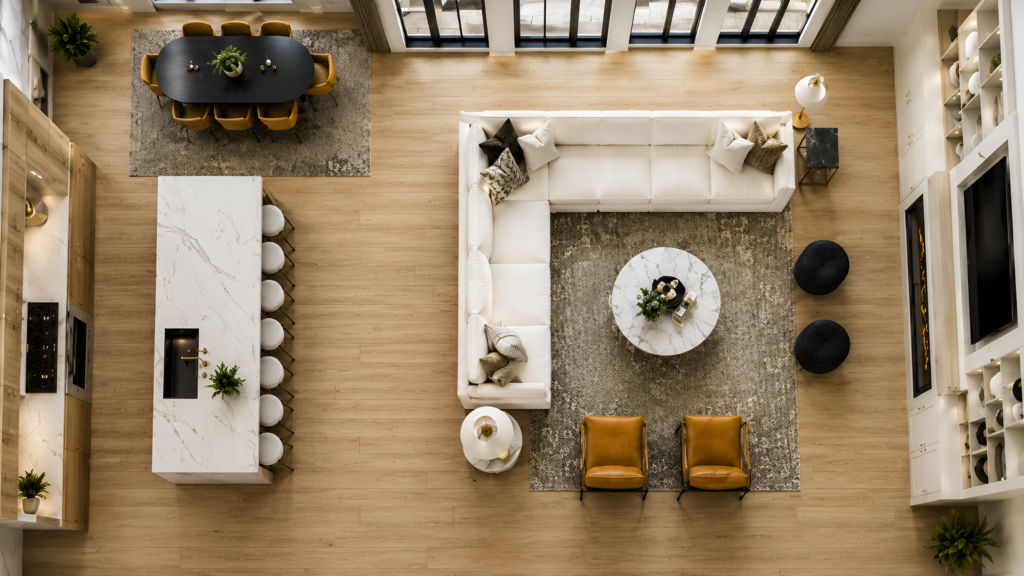
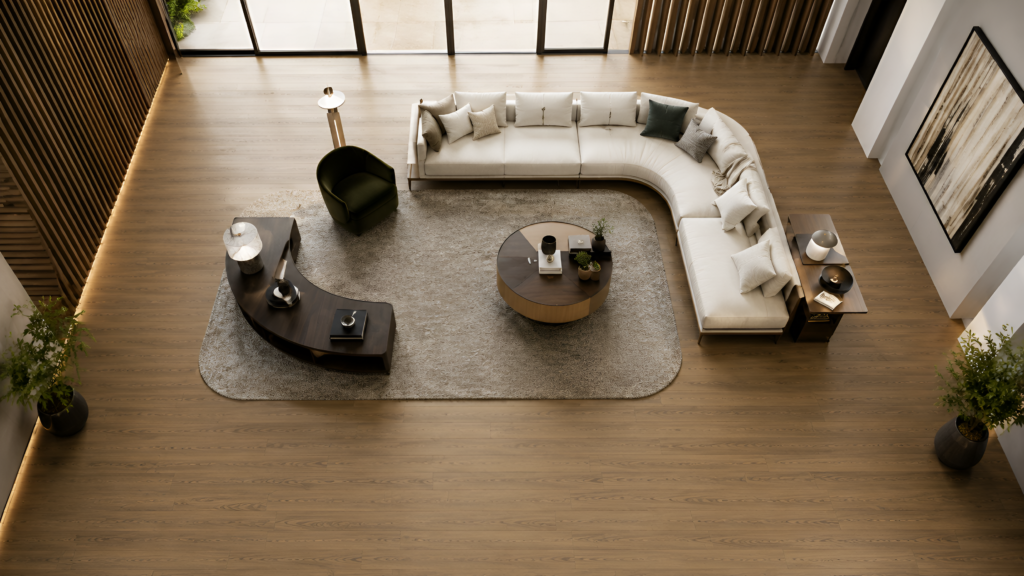
Furniture should be arranged to encourage smooth movement throughout the home rather than create obstacles that interrupt circulation. Poorly placed or oversized furniture can make even spacious rooms feel crowded, reducing both comfort and functionality. A well-planned layout maintains clear walking paths, keeps windows unobstructed to maximize natural light, and uses floating furniture arrangements to create a more open and inviting atmosphere. Area rugs can subtly define individual living, dining, and workspace zones without the need for physical walls, while furniture that is proportionate to the room’s dimensions ensures a balanced and harmonious appearance. Keeping entrances free from obstruction further improves accessibility and creates a welcoming first impression. For the best results, custom furniture designed specifically to fit your room’s size and layout offers superior circulation, better space utilization, and a seamless blend of style and functionality, making your home feel more spacious, organized, and comfortable.
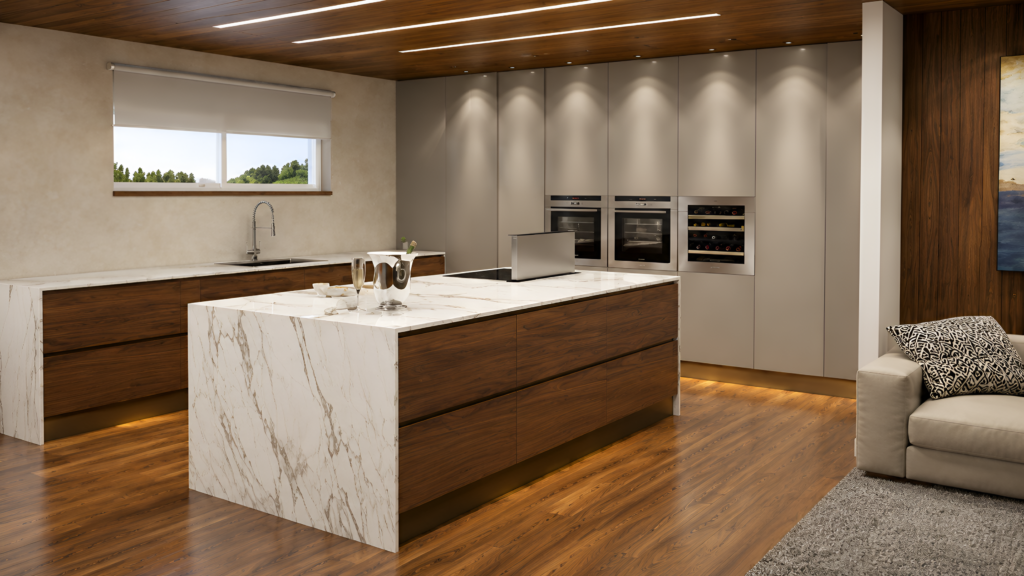
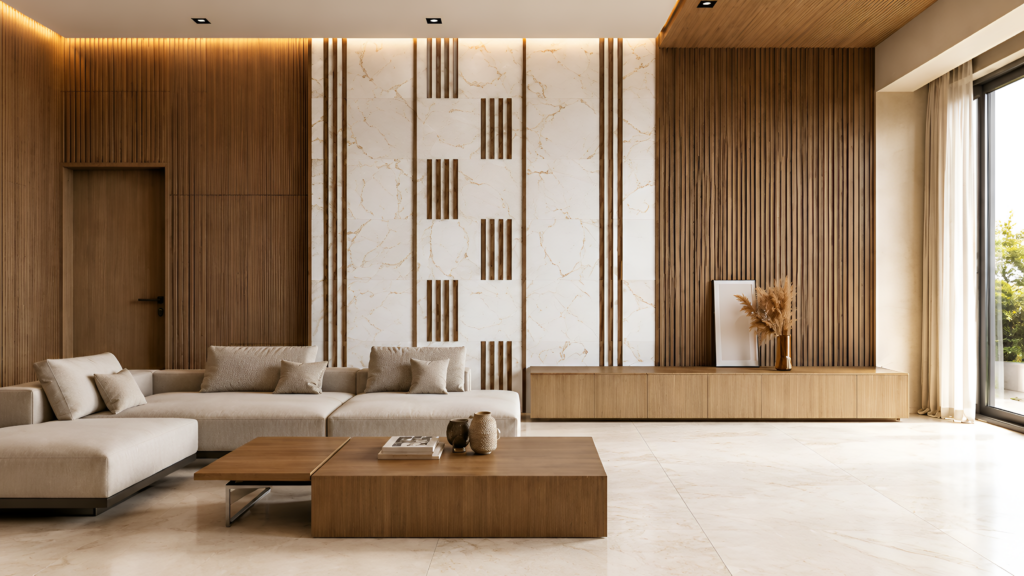
One of the simplest yet most effective ways to improve spatial flow in a home is by maintaining consistency in the materials and finishes used throughout the interior. Repeating elements such as walnut wood finishes, Calacatta marble surfaces, brushed brass accents, neutral wall colors, matching flooring, and coordinated cabinetry creates a seamless visual connection between different spaces. This design continuity allows the eye to move effortlessly from one room to another, making the home feel larger, more harmonious, and thoughtfully planned. Instead of each room appearing disconnected or visually overwhelming, a cohesive material palette establishes balance, enhances architectural elegance, and reinforces a sense of luxury. Whether designing an open-concept home or a traditional layout, using consistent materials throughout the house creates a timeless, sophisticated interior that feels unified rather than fragmented.
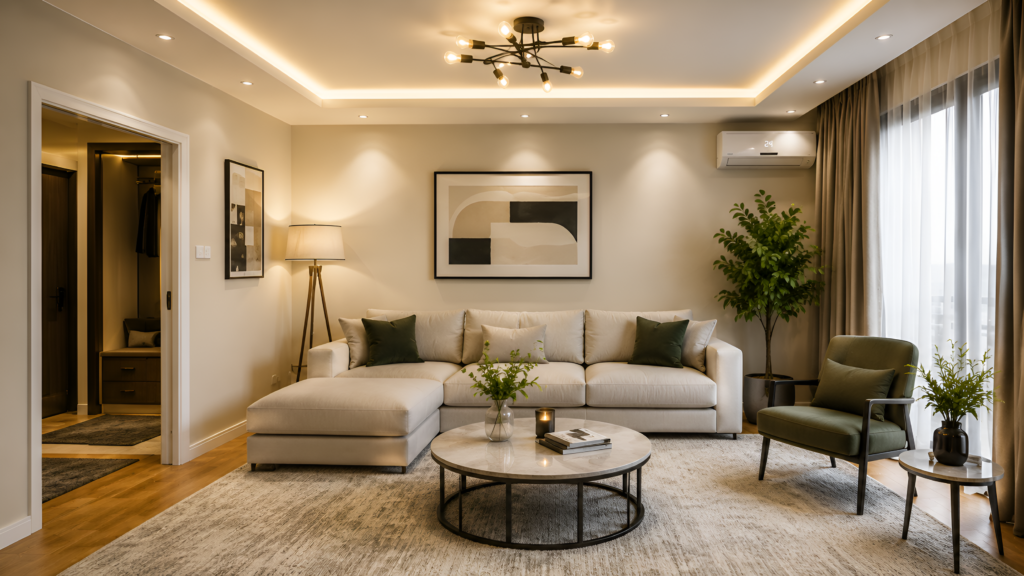
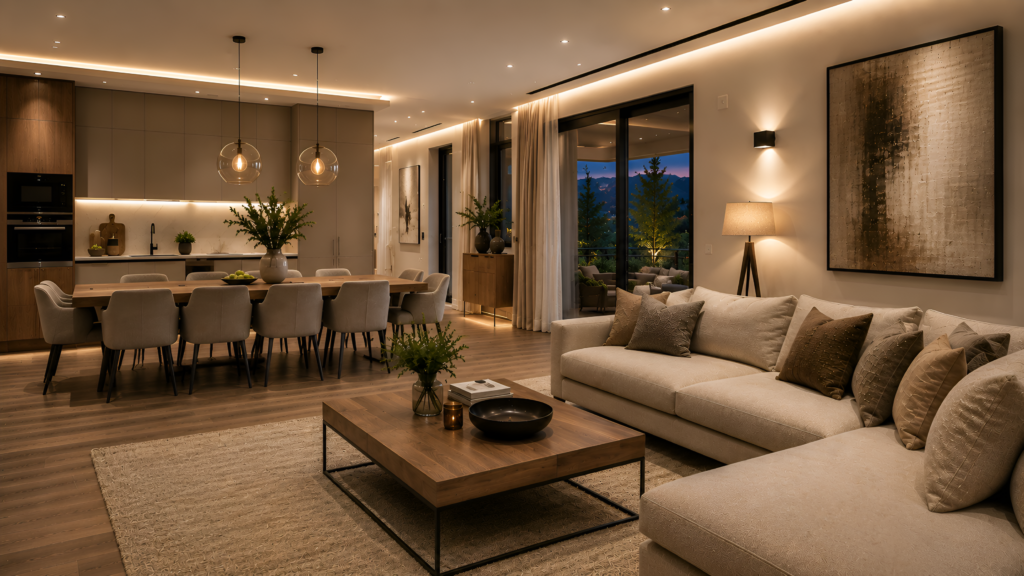
Lighting is one of the most important elements of modern interior design, influencing both the functionality and atmosphere of a home. A well-planned lighting design combines ambient lighting for overall illumination, task lighting for everyday activities, accent lighting to highlight architectural details and luxury furniture, decorative fixtures to add character, and natural daylight to create bright, inviting spaces. Maintaining a consistent lighting color temperature throughout the home enhances spatial flow, creates seamless transitions between rooms, and establishes a cohesive interior design theme. By layering different types of lighting, homeowners can achieve a balanced, elegant, and visually harmonious living environment that reflects the principles of luxury interior design.
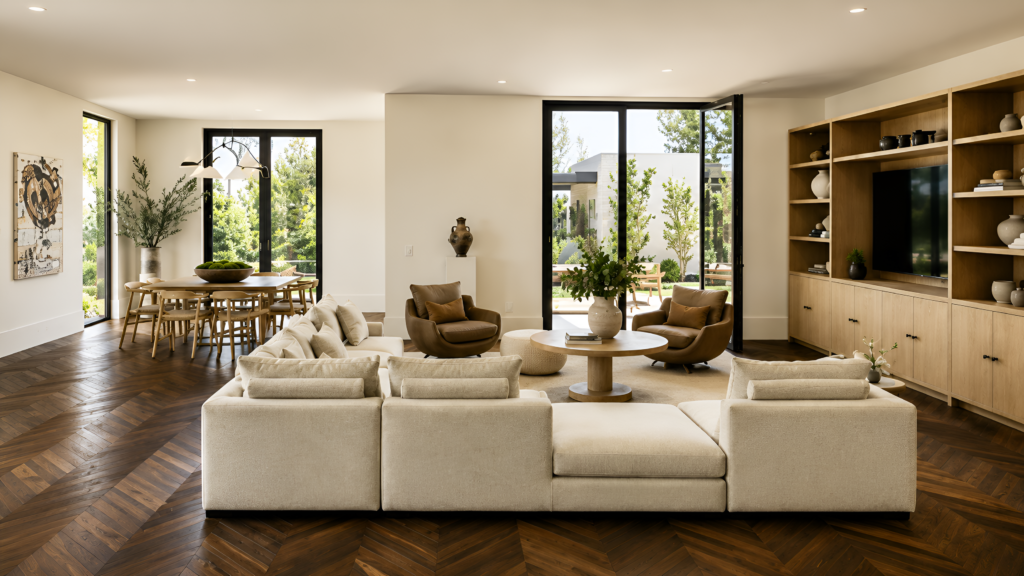
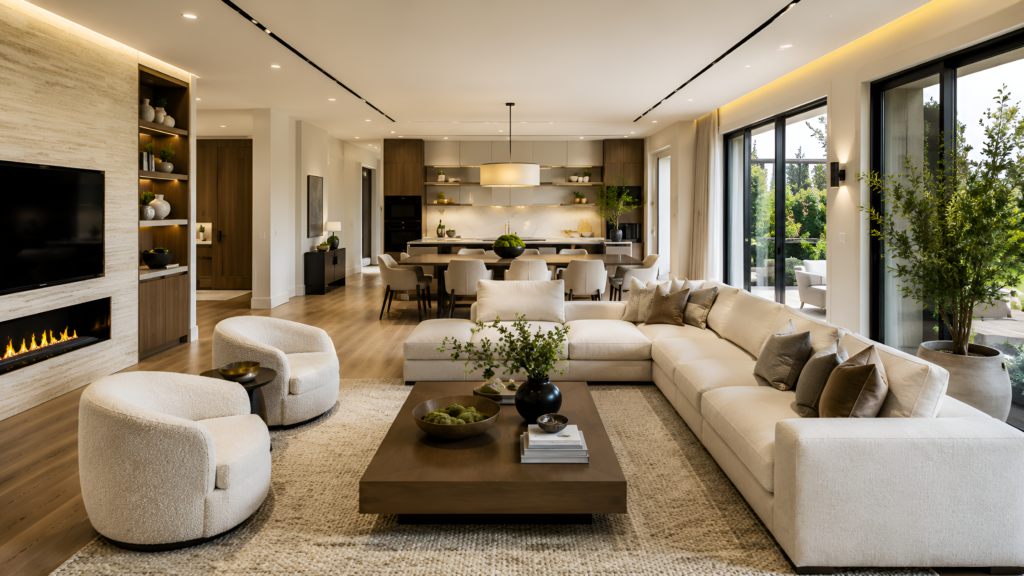
A cohesive color palette is essential for creating seamless spatial flow in modern luxury homes. Using too many contrasting colors can make individual rooms feel disconnected, disrupting the overall harmony of the interior. Instead, designers recommend selecting a consistent palette that transitions naturally throughout the home. Timeless shades such as warm greige, soft beige, ivory white, charcoal black, rich walnut brown, and matte black accents create a sophisticated and balanced aesthetic. These neutral tones enhance natural light, complement luxury furniture and premium materials, and establish a calm, elegant atmosphere. By maintaining color consistency across walls, flooring, furniture, and decorative elements, homeowners can achieve a cohesive interior design that feels spacious, refined, and effortlessly connected.
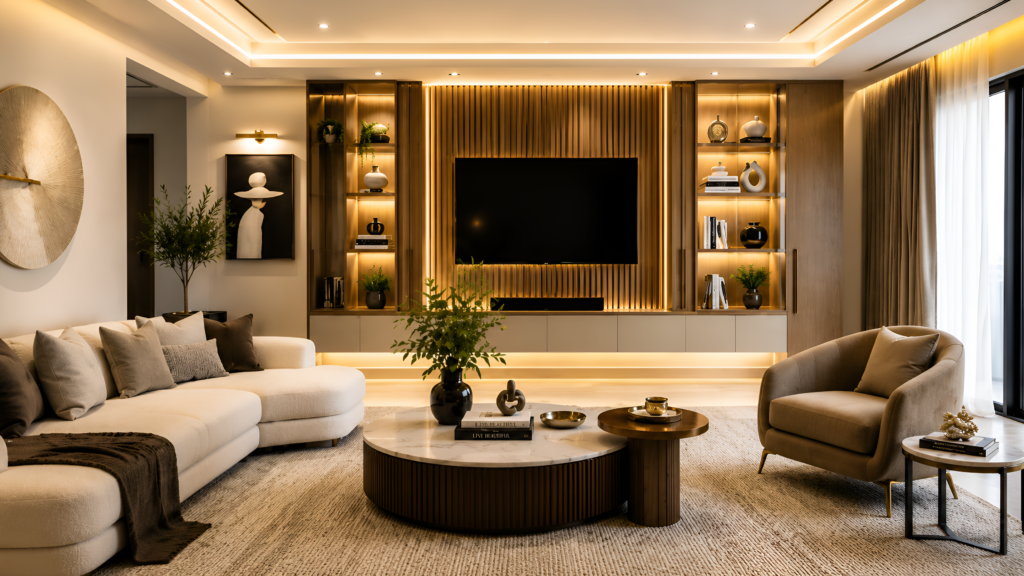
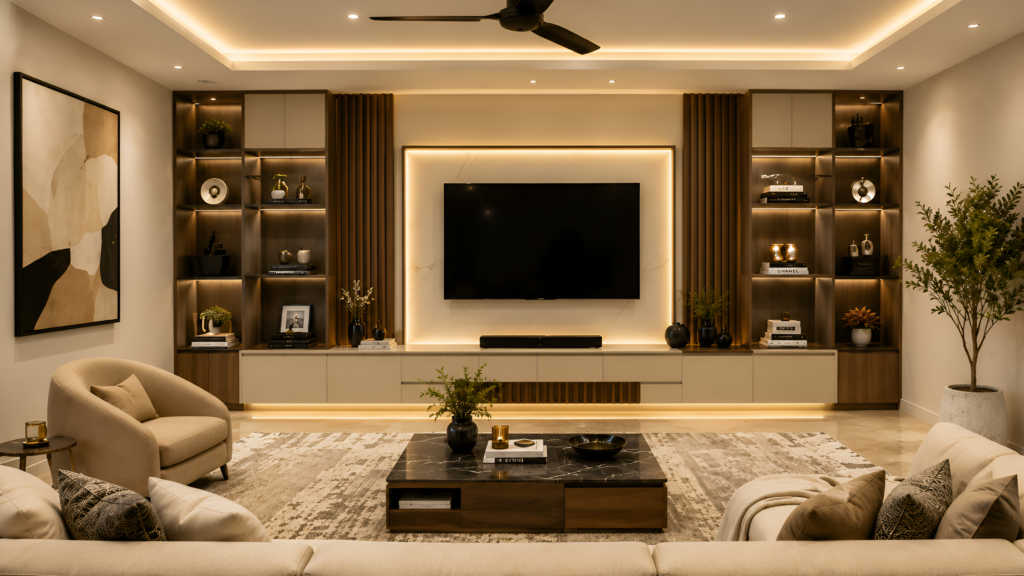
Custom furniture plays a crucial role in improving spatial flow, especially in modern luxury homes where every inch of space matters. Unlike mass-produced furniture, bespoke pieces are designed to match the exact dimensions and architectural features of a home, ensuring a seamless fit and a more cohesive interior. Custom furniture maximizes available space, creates cleaner sightlines, reduces visual clutter, and provides smart storage solutions without compromising on style. Whether it’s a built-in entertainment unit, a modular sofa, or a tailor-made dining table, each piece enhances both functionality and aesthetics. Luxury homeowners often invest in bespoke furniture because it delivers a perfect balance of elegance, comfort, and practicality while creating an exclusive interior that reflects their personal lifestyle. By integrating custom furniture into the overall design, homes feel more spacious, organized, and visually connected, resulting in a timeless and sophisticated living environment.
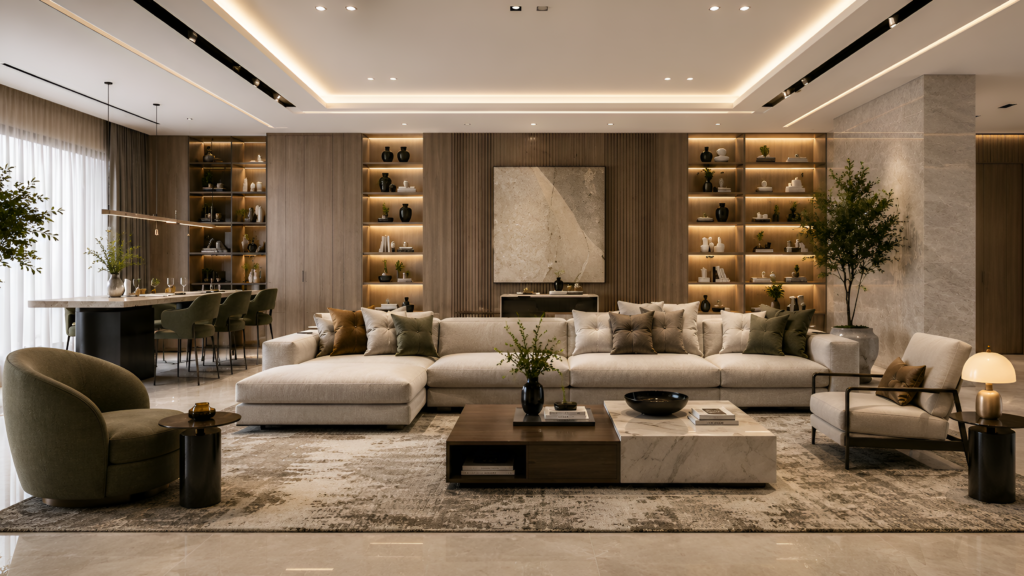
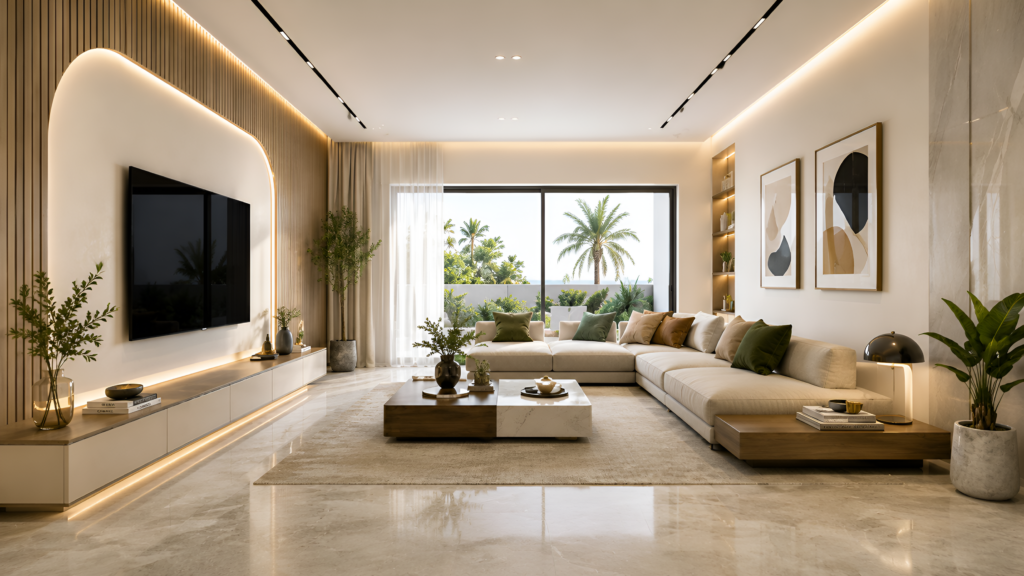
A beautifully designed home can quickly lose its sense of spatial flow and openness when clutter begins to accumulate. Maintaining an organized interior is essential for creating a modern home design that feels functional, elegant, and visually balanced. Incorporating concealed storage solutions keeps everyday essentials out of sight, while multifunctional furniture maximizes available space without compromising on style. Limiting decorative accessories reduces visual clutter, organizing cables enhances a clean and polished appearance, and keeping walkways clear ensures effortless movement throughout the home. Regularly decluttering unnecessary items helps maintain an airy and inviting atmosphere, making your living space feel larger and more comfortable. In luxury interior design, minimalism is not about owning fewer possessions—it is about ensuring every piece has a purpose and contributes to a harmonious environment. By combining smart storage ideas, space-saving furniture, and minimalist interior design principles, homeowners can create a timeless, organized, and sophisticated home that reflects both beauty and practicality.
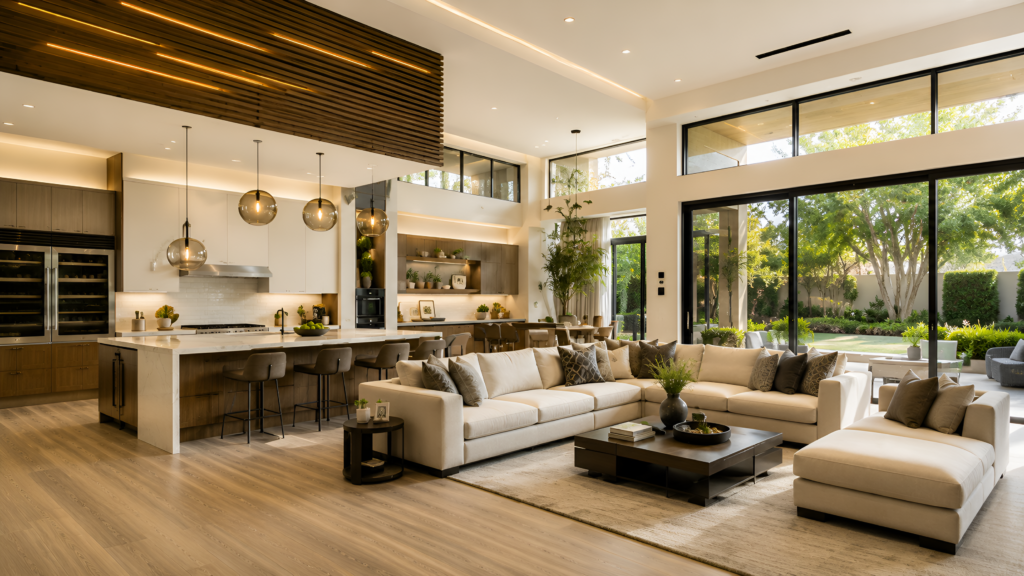
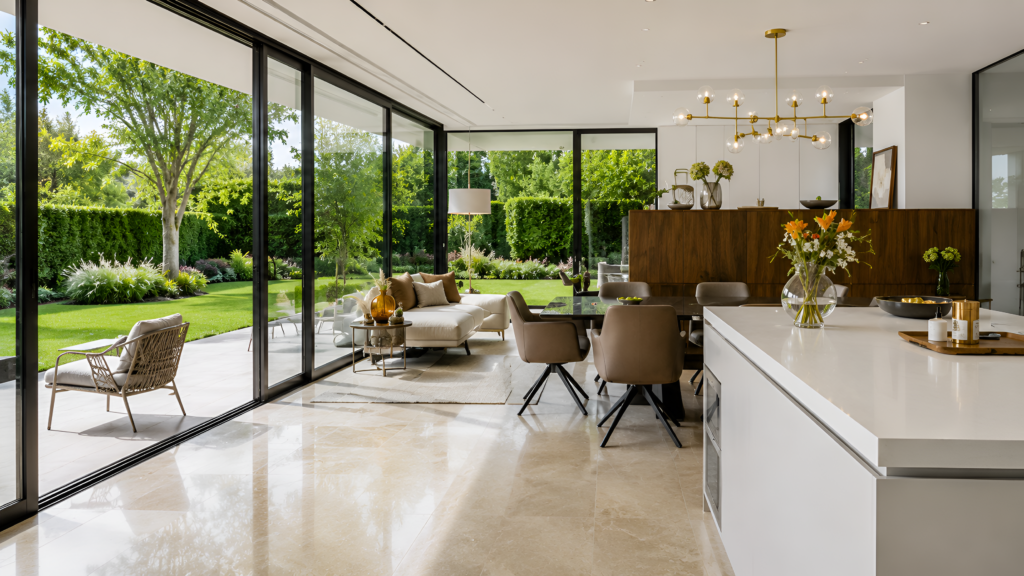
Homes with excellent spatial planning and a well-designed layout are often more appealing to potential buyers because they offer a perfect balance of comfort, functionality, and visual spaciousness. A thoughtfully planned modern home design that incorporates open floor plans, premium interior finishes, built-in storage solutions, and abundant natural lighting creates an inviting atmosphere while maximizing every square foot. Features such as bespoke furniture, custom furniture, and flexible living spaces further enhance usability and reflect the sophistication of luxury interior design. These design elements not only improve everyday living by making the home more organized and efficient but also significantly increase its long-term market appeal. Investing in high-quality interior design, smart space planning, and timeless architectural features ensures that a home remains elegant, practical, and valuable for years to come, ultimately delivering a higher resale value and a better return on investment.