

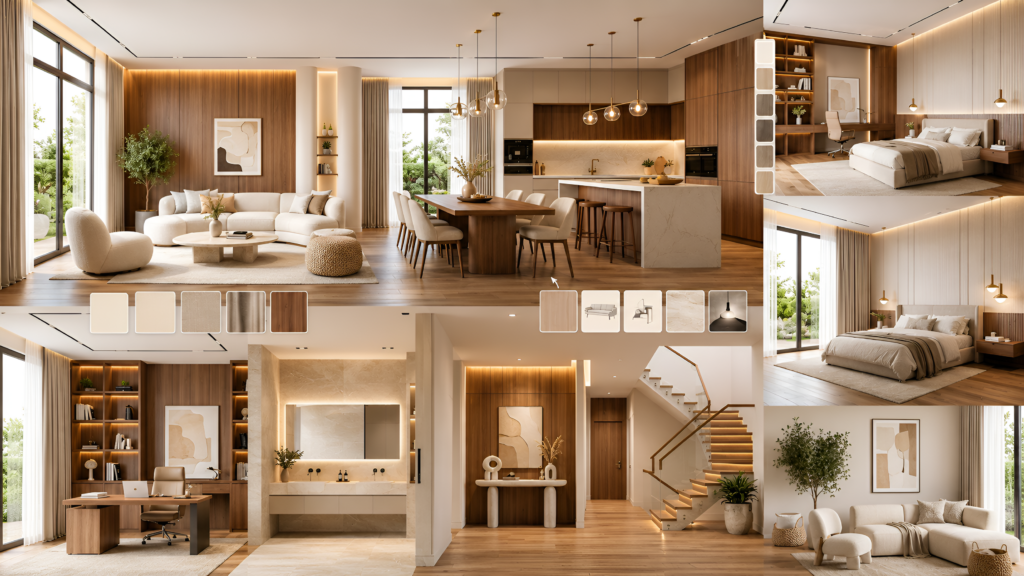
A beautiful home is not created by decorating each room separately; it is created by designing every space as part of one complete story. When your living room, bedroom, dining room, kitchen, and hallway share the same design language, your home feels more elegant, spacious, and luxurious. A cohesive interior design theme brings together colors, furniture, materials, lighting, and decorative accessories in a balanced way so that every room naturally flows into the next. Whether you are building a new home or renovating an existing one, creating a unified interior style helps avoid visual clutter and gives your home a timeless appearance. The goal is not to make every room look identical but to ensure they complement one another while maintaining their individual purpose. With careful planning and thoughtful design choices, you can create a home that is stylish, functional, and truly reflects your personality.
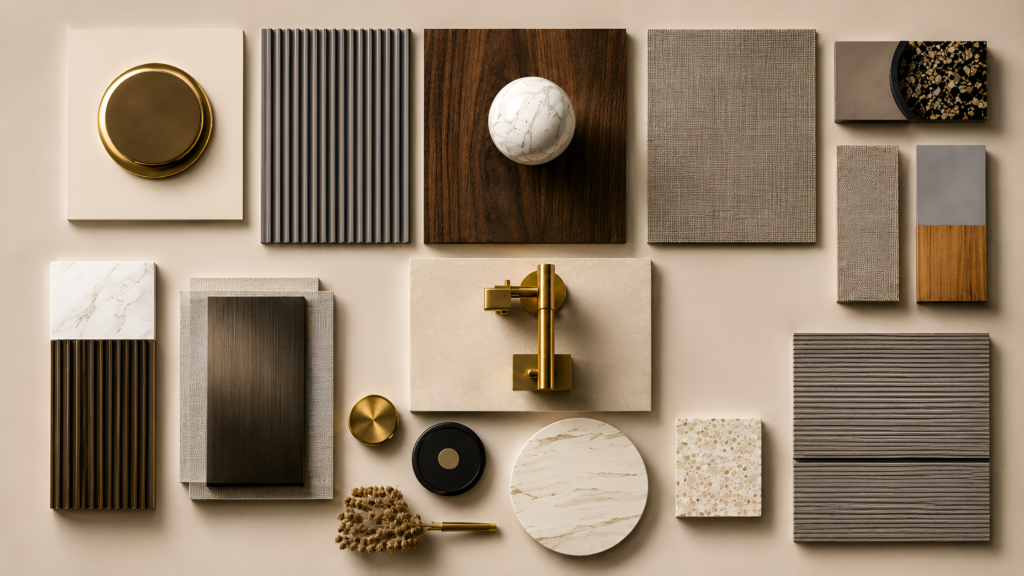
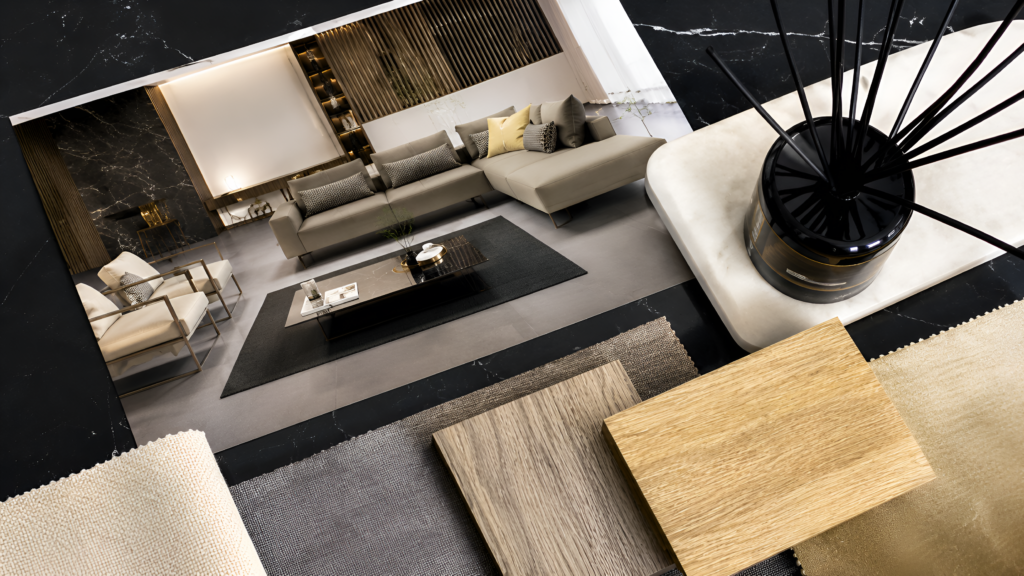
The first step towards creating a cohesive home is selecting one design style that reflects your lifestyle. Whether you love Modern Luxury, Contemporary, Scandinavian, Japandi, or Minimalist interiors, staying committed to one primary style creates consistency throughout the home. Every decision—from flooring and furniture to wall finishes and lighting—should support this chosen theme. Instead of following trends for each room, think about how every space connects visually. A mood board with furniture inspirations, fabric samples, and colour references can help you maintain consistency before making purchases. This approach saves time, prevents unnecessary expenses, and results in a home that feels professionally designed. Even if different rooms serve different functions, they should still share common design elements so that walking from one room to another feels natural and seamless.
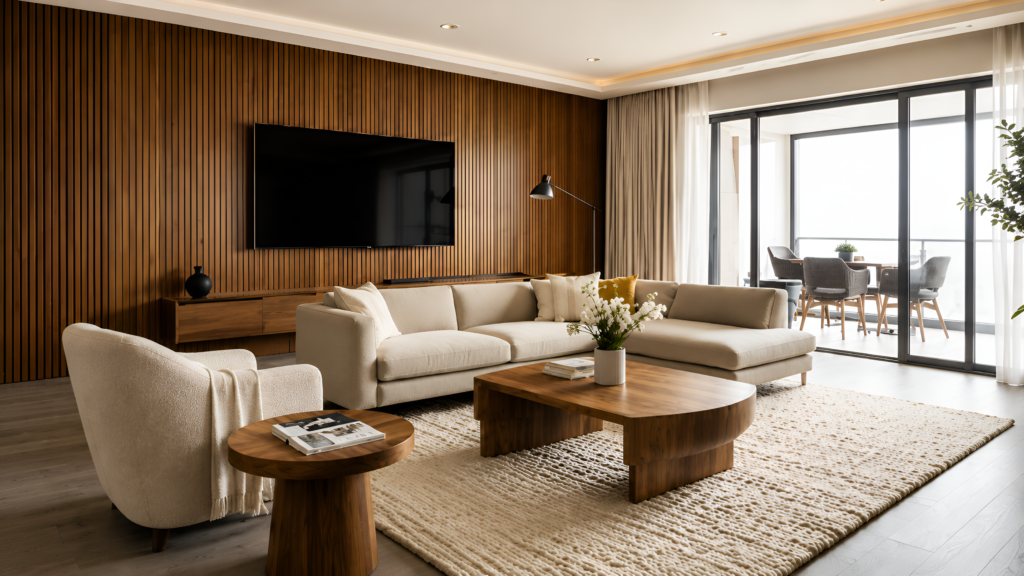
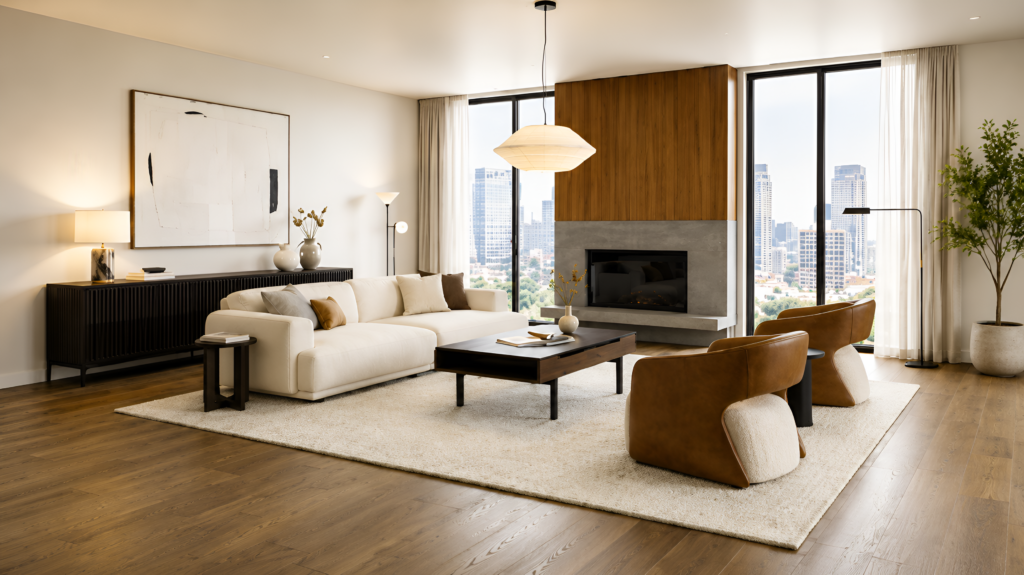
Colour has the biggest impact on how connected a home feels. Luxury interiors usually rely on neutral colours such as ivory, beige, greige, warm white, charcoal, and natural wood tones because these shades remain timeless and easy to coordinate. Once you’ve selected your base colours, repeat them across walls, upholstery, curtains, rugs, and decorative accessories. Accent colours can be introduced through artwork, cushions, decorative pieces, or statement furniture, but they should complement rather than dominate the palette. Consistency in colours creates harmony without making every room look exactly the same. Natural light also works better with balanced colour schemes, making spaces appear brighter and larger. A carefully selected colour palette becomes the visual thread that ties your entire home together.
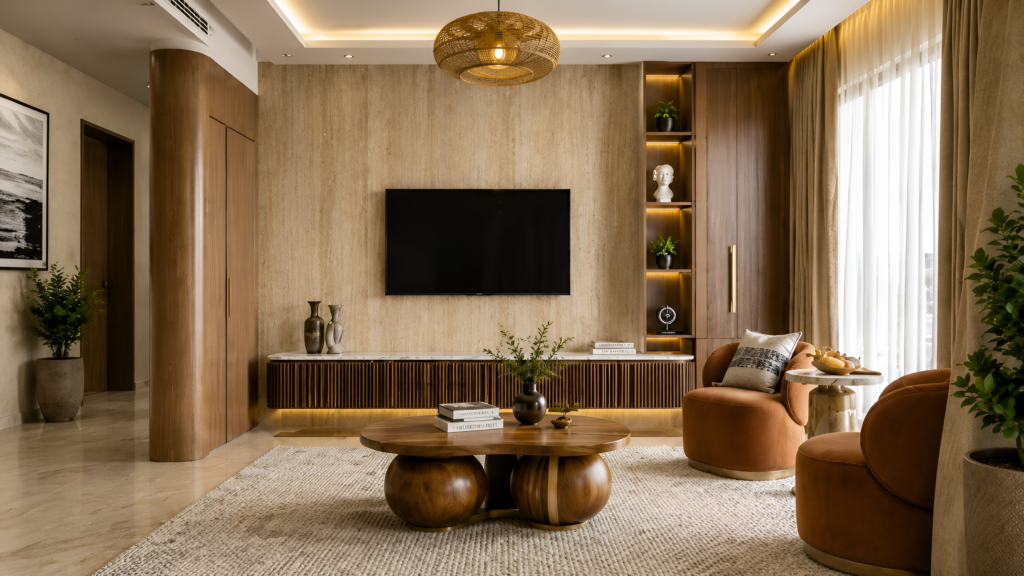
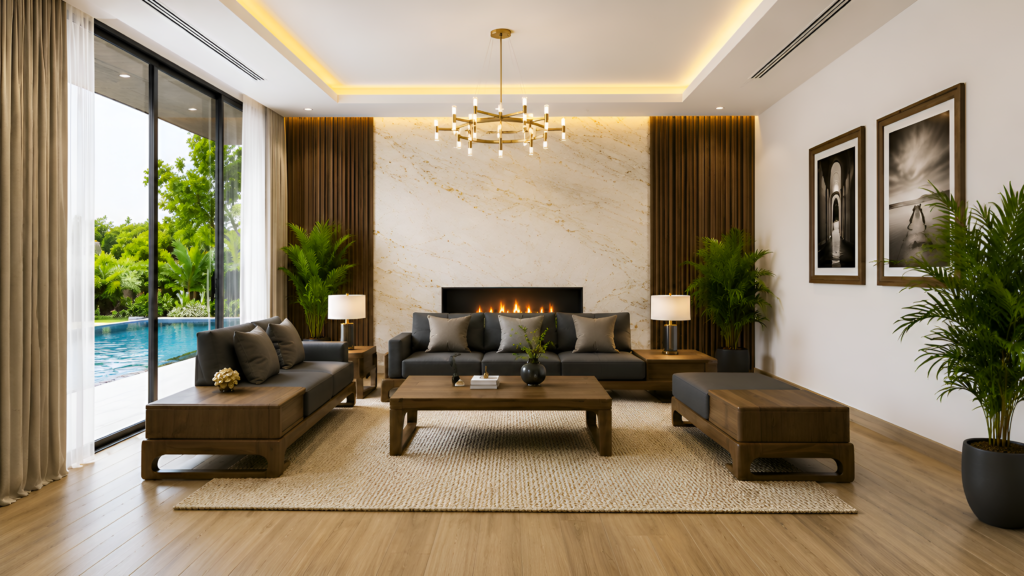
Furniture is the centrepiece of every room, so selecting the right pieces is essential for maintaining a cohesive interior. Bespoke furniture allows you to customise dimensions, materials, finishes, colours, and functionality according to your home’s design theme. Matching wood finishes, upholstery fabrics, and design details across sofas, dining tables, wardrobes, TV units, and bedroom furniture creates visual continuity. Unlike mass-produced furniture, custom pieces are designed specifically for your lifestyle and available space, ensuring better functionality and aesthetics. Investing in quality craftsmanship also means your furniture remains durable and timeless for years. Bespoke furniture gives your home a luxurious identity while maintaining consistency across every room.
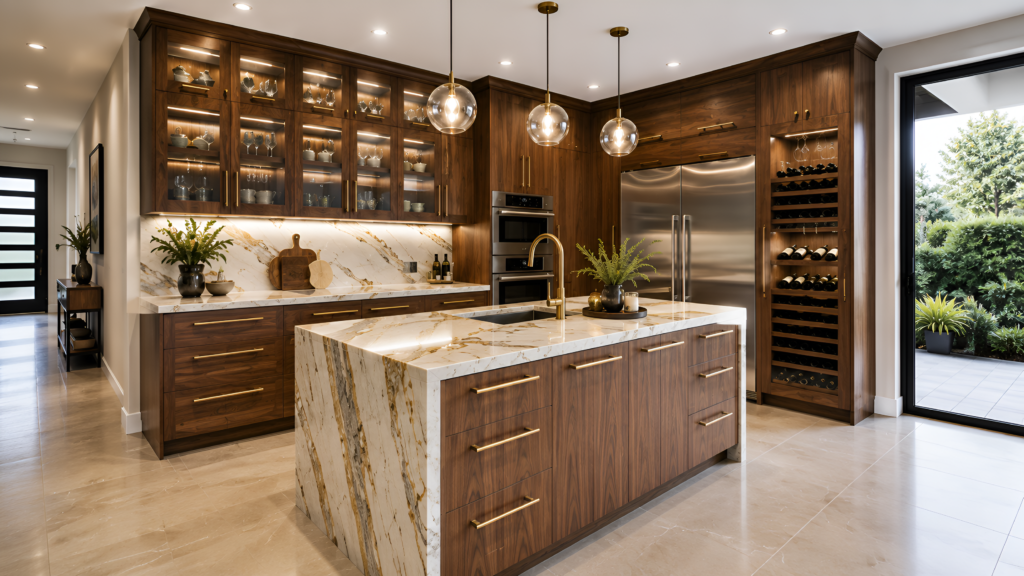
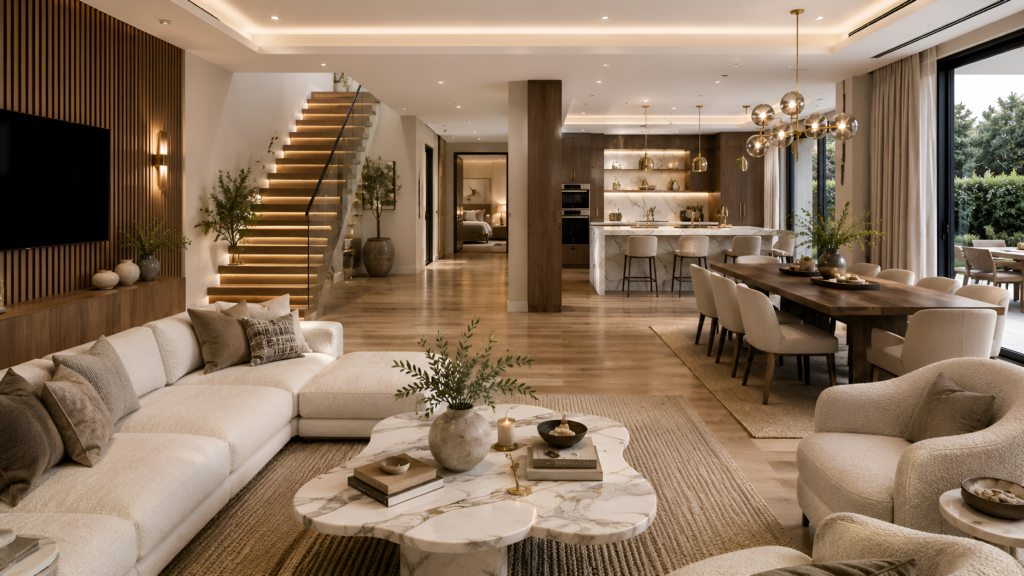
Luxury homes achieve harmony by repeating premium materials across different spaces. Natural wood, marble, stone, glass, brushed brass, matte finishes, and textured fabrics can all be used consistently to create a unified appearance. For example, if walnut wood is used in your living room furniture, incorporating the same finish into bedroom wardrobes or dining furniture strengthens the overall design language. Similarly, repeating black metal accents, brass handles, or marble surfaces helps maintain continuity without making interiors feel repetitive. Layering different textures like linen, velvet, leather, and wood also adds warmth and sophistication. Choosing a limited number of materials and repeating them thoughtfully creates depth while ensuring the entire home feels balanced.
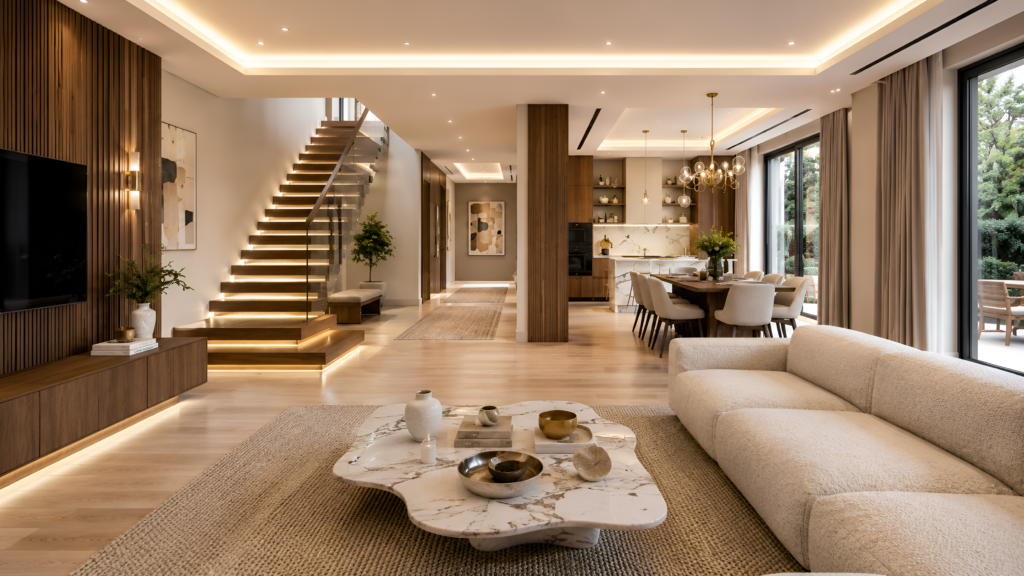
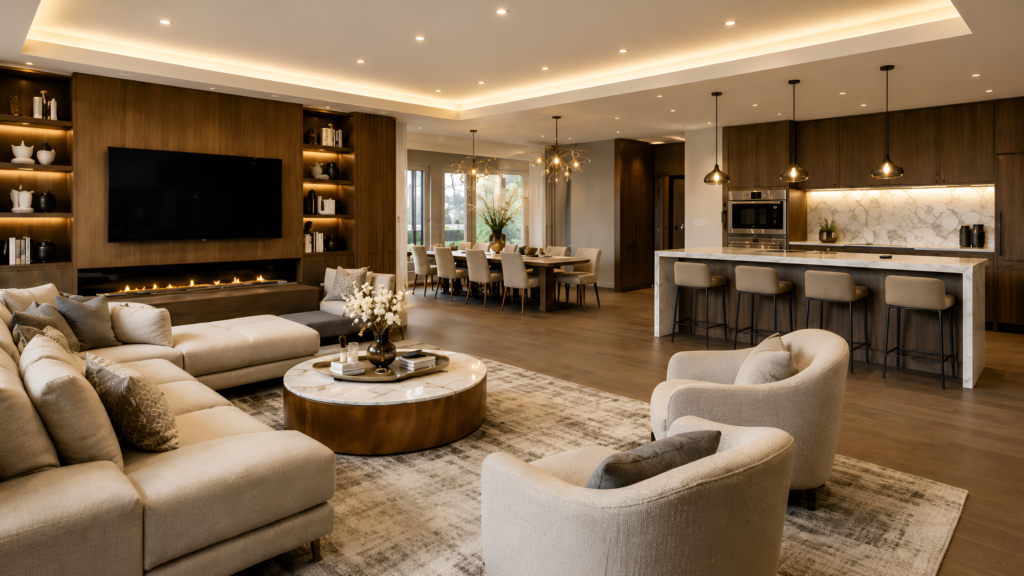
A cohesive home should feel connected rather than divided into separate spaces. Transitional areas like hallways, staircases, and passages play an important role in creating this flow. Using similar flooring, wall colours, lighting, and architectural details throughout the home helps every room connect naturally. Furniture layouts should encourage easy movement while maintaining visual balance. Open-plan homes benefit from coordinated rugs, lighting fixtures, and furniture placement that define individual areas without breaking the overall theme. Small decorative details, such as matching mirrors, indoor plants, or artwork, can further strengthen the connection between spaces. The goal is to create a home where each room feels like a continuation of the previous one.
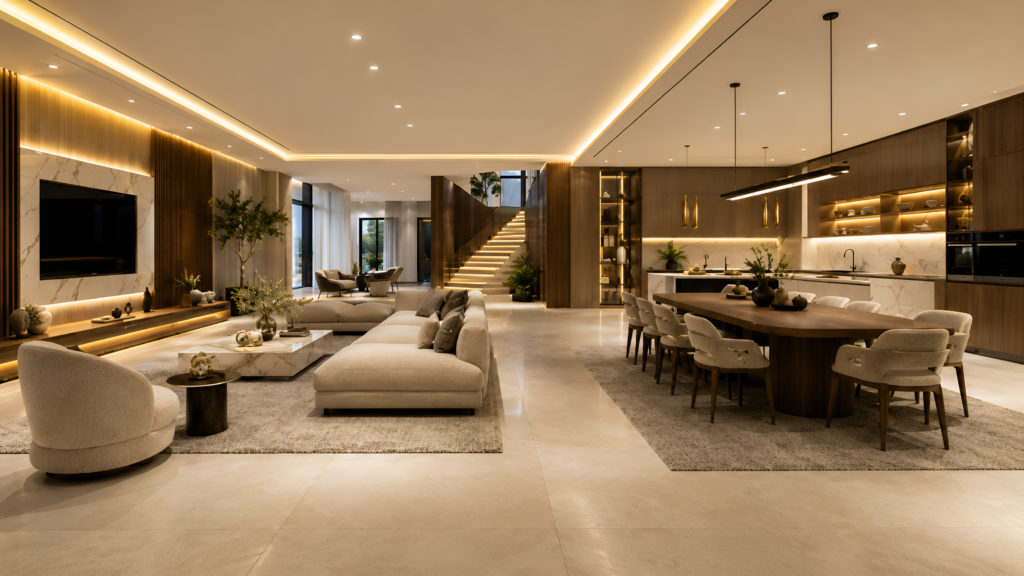
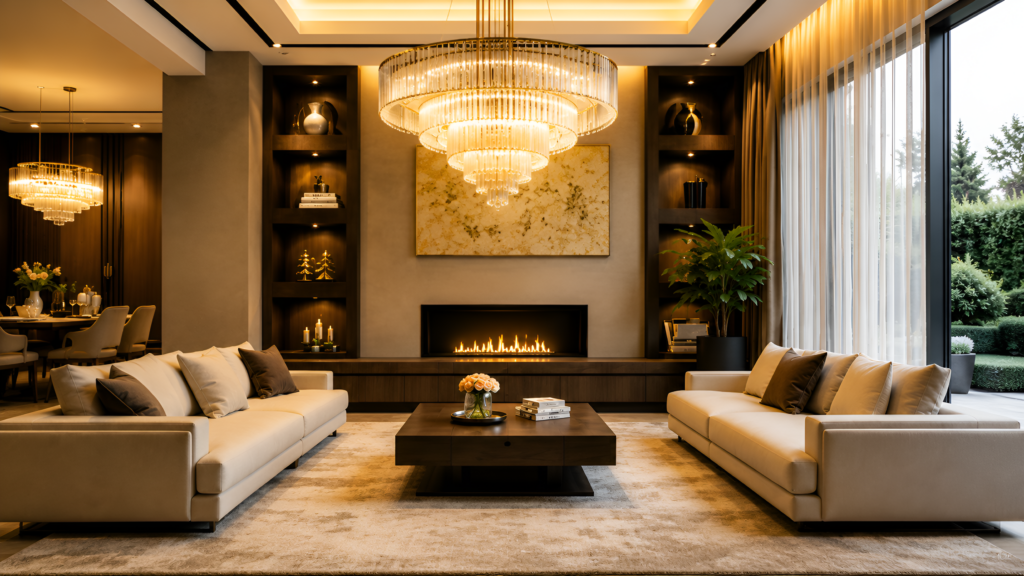
Lighting influences both the beauty and functionality of your interiors. Layering ambient, task, and accent lighting creates depth while highlighting architectural features and furniture. Choose fixtures that complement your chosen design style, whether they are sleek pendant lights for contemporary homes or elegant chandeliers for classic interiors. Keeping the colour temperature warm across all rooms helps maintain a comfortable and luxurious atmosphere. Accent lighting can draw attention to artwork, textured walls, display shelves, or bespoke furniture. Well-planned lighting makes colours appear richer, materials more refined, and every room more welcoming. Consistency in lighting design strengthens the overall interior theme.
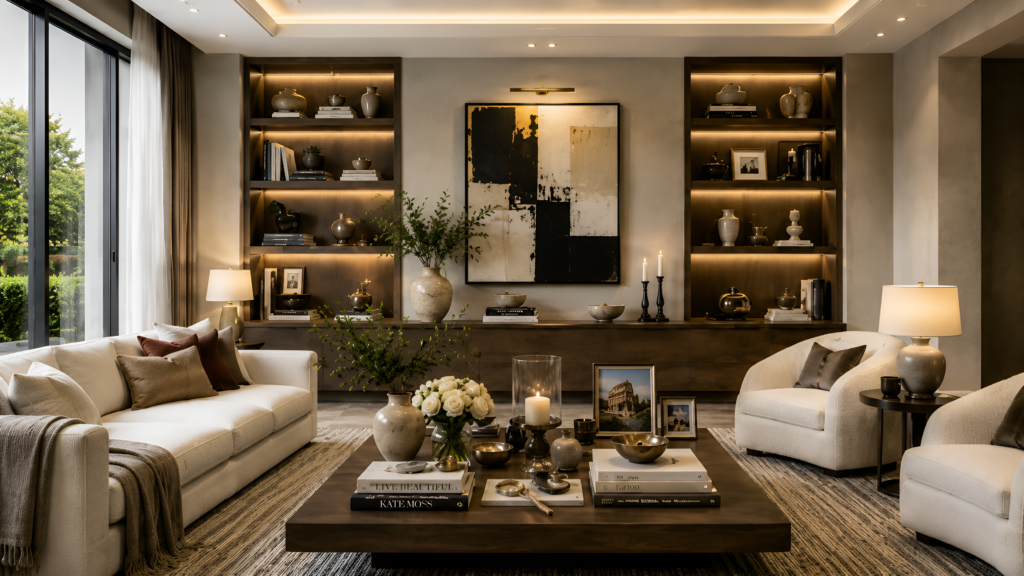
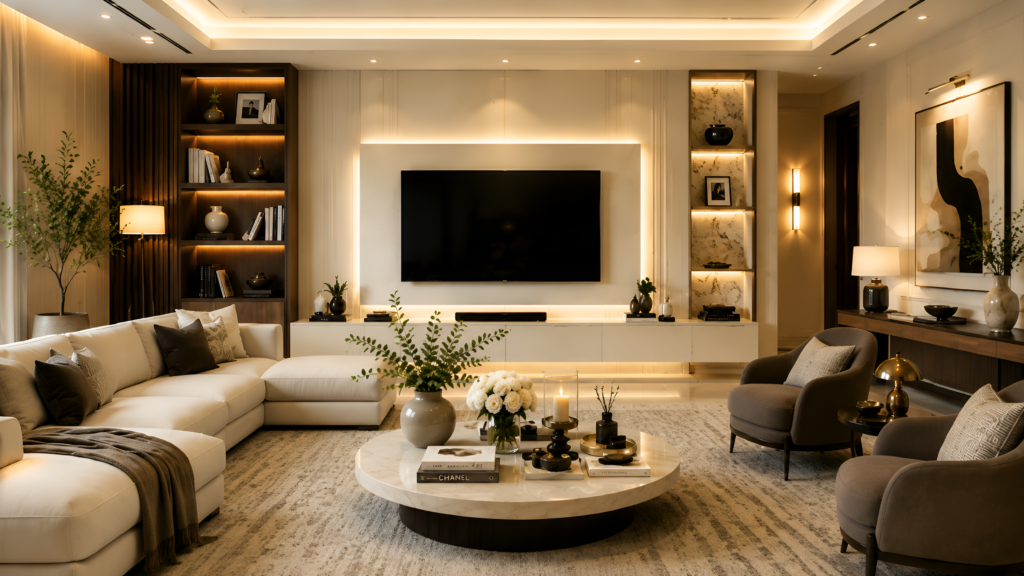
Accessories complete your home’s personality, but they should always support the overall design theme rather than compete with it. Select decorative pieces that share common colours, materials, or shapes. Elegant vases, artwork, sculptures, mirrors, books, indoor plants, cushions, and throws should all complement your furniture and colour palette. Instead of filling every corner, focus on fewer high-quality pieces that create impact. Personal items like travel souvenirs or family photographs can be displayed tastefully without disrupting the design. A thoughtfully curated collection of accessories adds warmth and character while maintaining visual harmony across the home.
Building a cohesive interior design theme is about creating harmony rather than uniformity. By selecting one design style, maintaining a consistent colour palette, investing in bespoke furniture, repeating premium materials, creating smooth transitions between rooms, using layered lighting, and styling with carefully chosen accessories, you can transform your house into a timeless luxury home. Every design decision should contribute to one unified vision that reflects your personality while enhancing comfort and functionality. A cohesive home not only looks beautiful but also creates a relaxing environment where every room feels connected, elegant, and thoughtfully designed.