

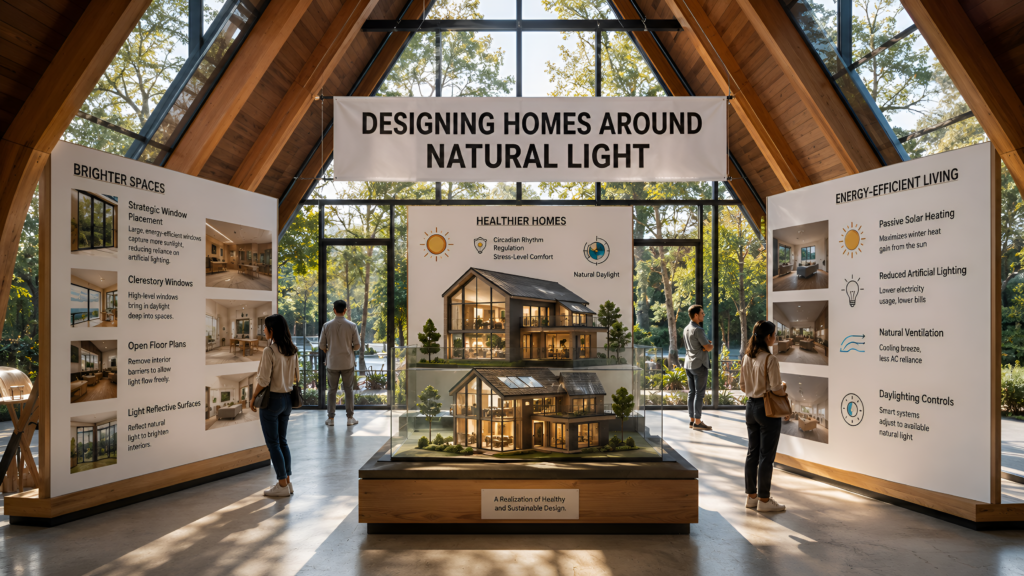
Natural light is one of the most valuable elements in modern home design. It not only makes interiors feel brighter and more spacious but also improves well-being, reduces energy consumption, and enhances the overall beauty of a home. Whether you’re designing a new house or renovating an existing one, planning your home around natural light can transform the way you live. Here are the key principles for designing homes that make the most of daylight.
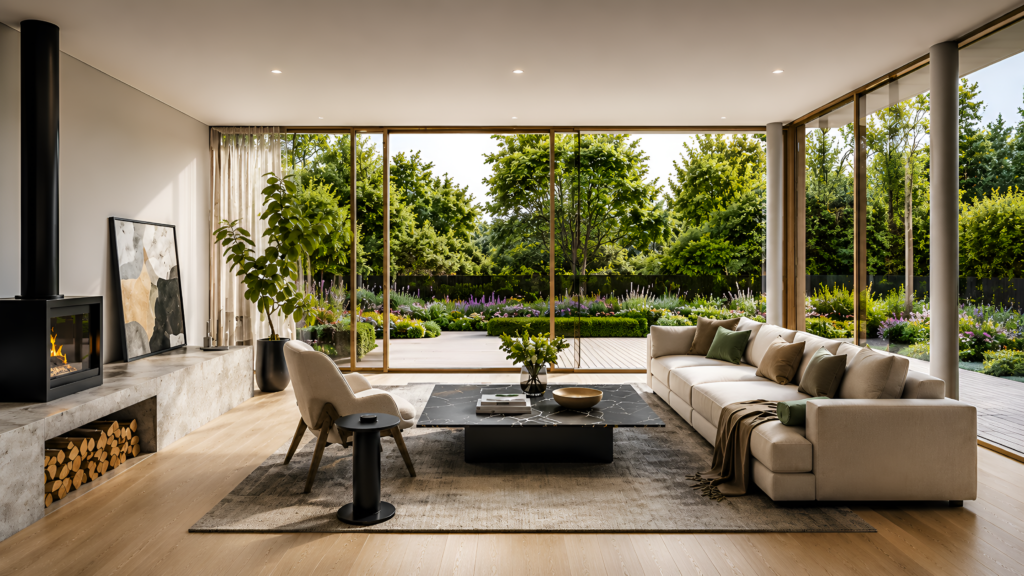
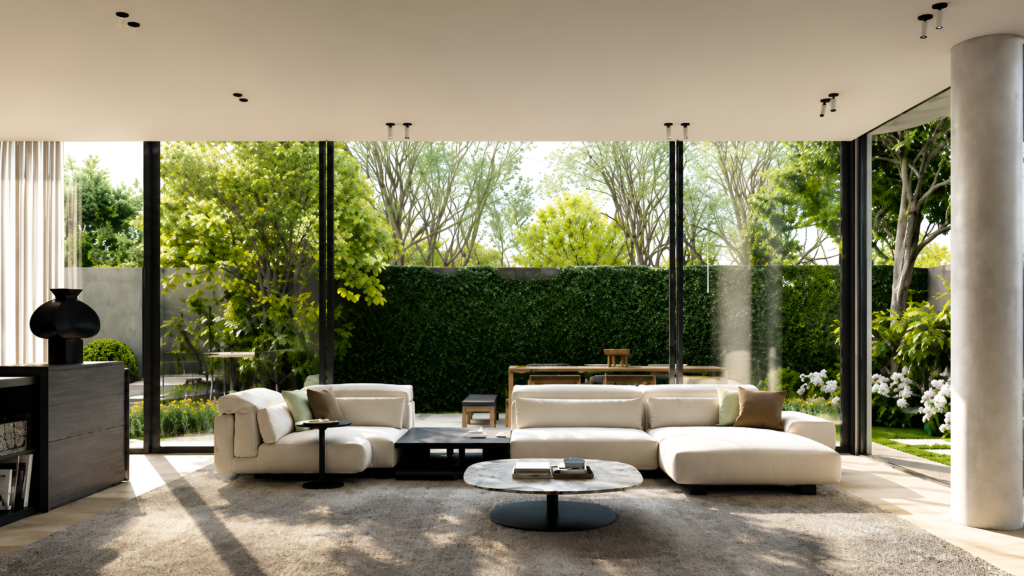
Large windows are one of the most effective ways to bring abundant natural light into a home. Floor-to-ceiling windows, sliding glass doors, and expansive window walls allow sunlight to reach deep into living spaces while creating a seamless connection between the indoors and outdoors. Besides improving brightness, they also offer beautiful views and make rooms appear larger and more inviting.
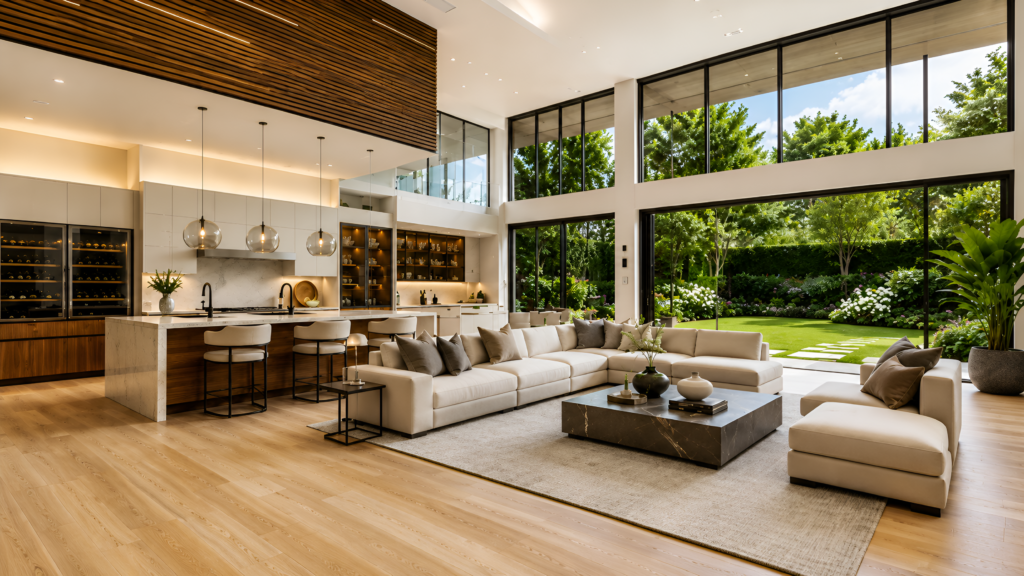
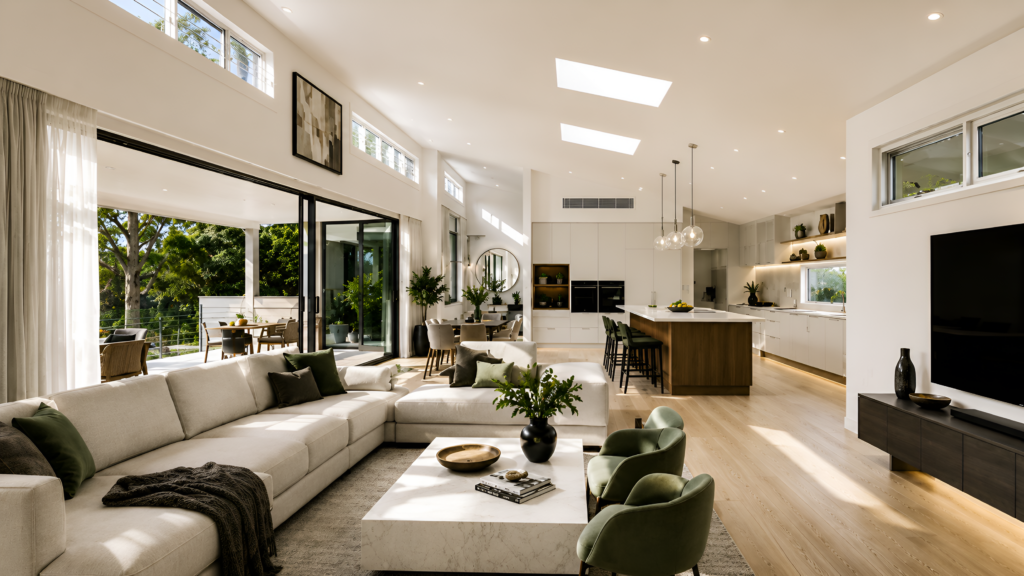
Open floor plans allow sunlight to travel freely throughout the house without being blocked by unnecessary walls. Combining the living room, dining area, and kitchen creates a spacious environment where daylight can illuminate multiple spaces simultaneously. This layout not only enhances natural brightness but also improves ventilation and encourages a more connected living experience.
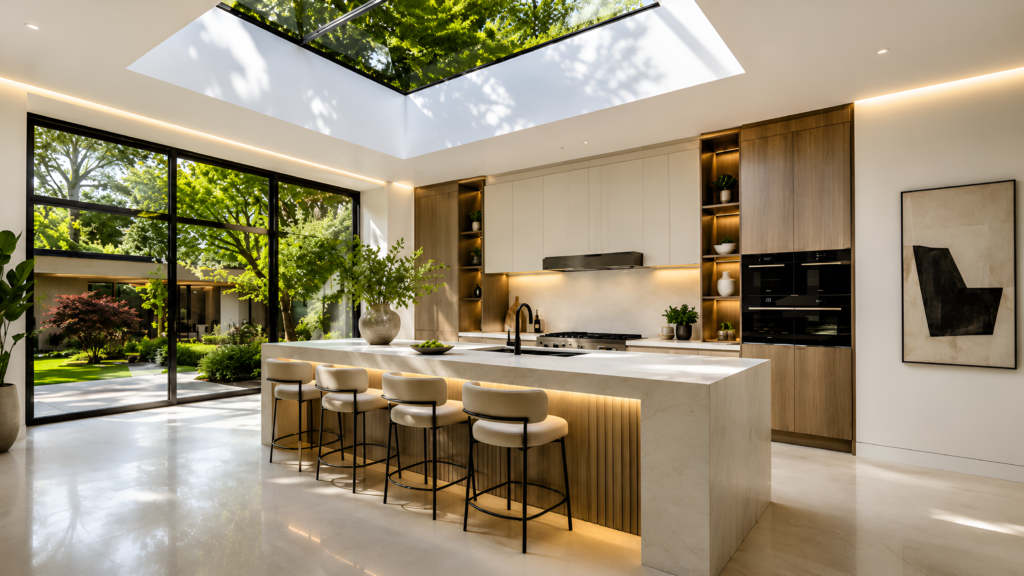
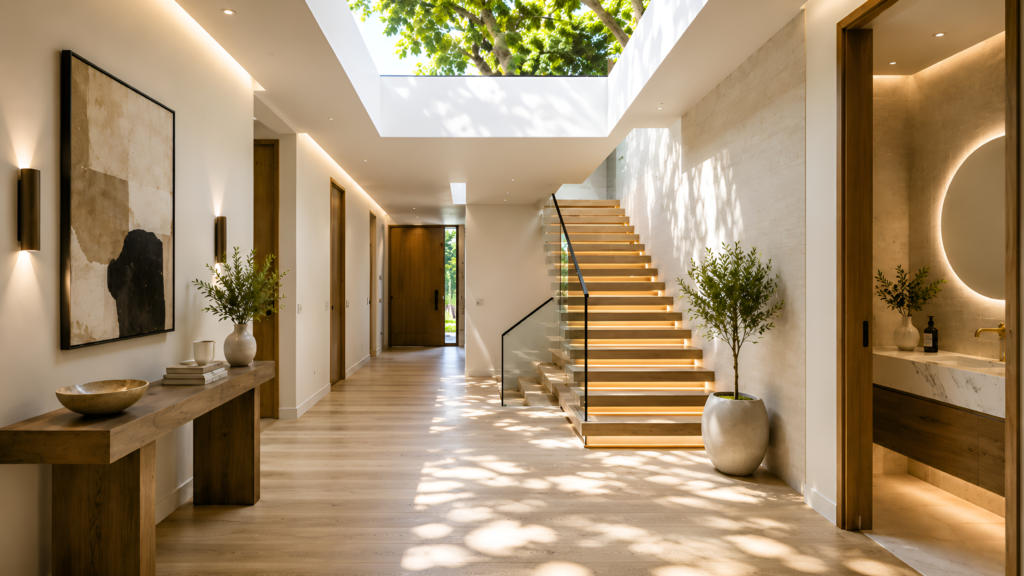
Some parts of a home, such as hallways, bathrooms, and staircases, may not receive enough sunlight through regular windows. Installing skylights is an excellent solution for bringing daylight into these areas. They brighten interiors, reduce the need for artificial lighting during the day, and add a modern architectural feature that enhances the home’s overall appeal.
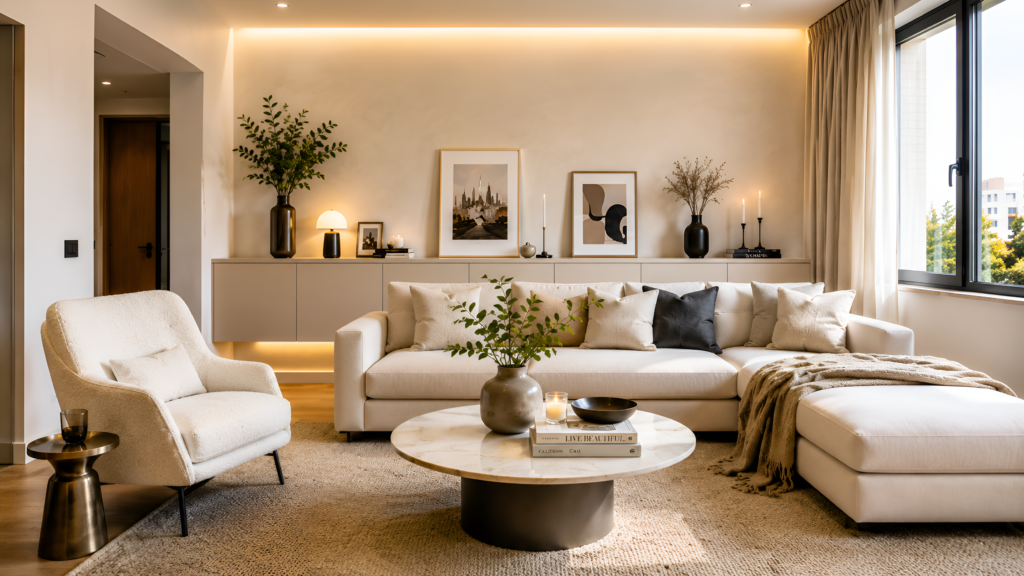
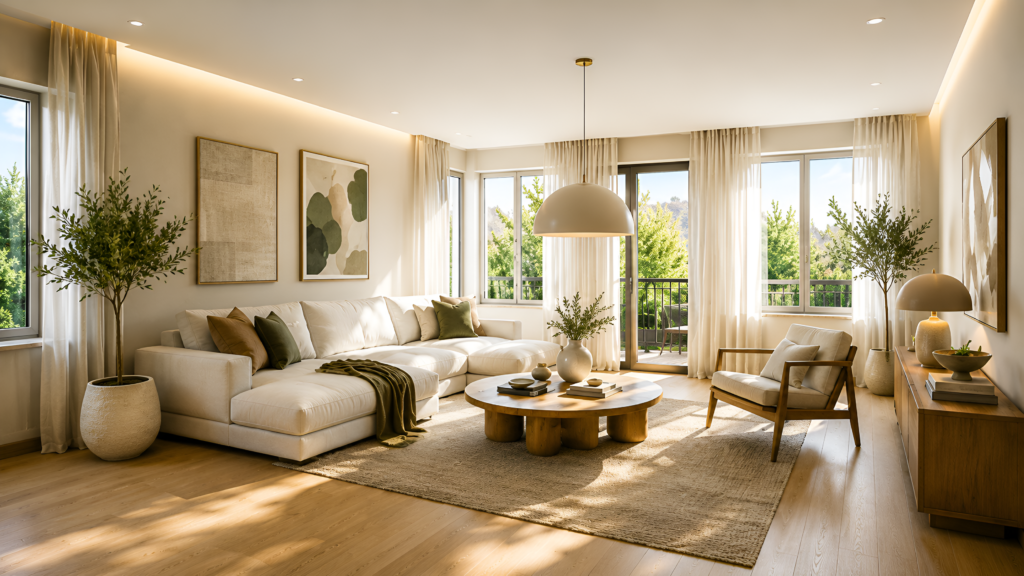
Interior colors play a major role in how light is distributed throughout a room. Soft shades like white, cream, beige, light grey, and pastel tones reflect natural light, making spaces feel brighter and more open. Pairing these colors with reflective materials such as mirrors, glass, and polished surfaces further amplifies daylight and creates a fresh, elegant atmosphere.
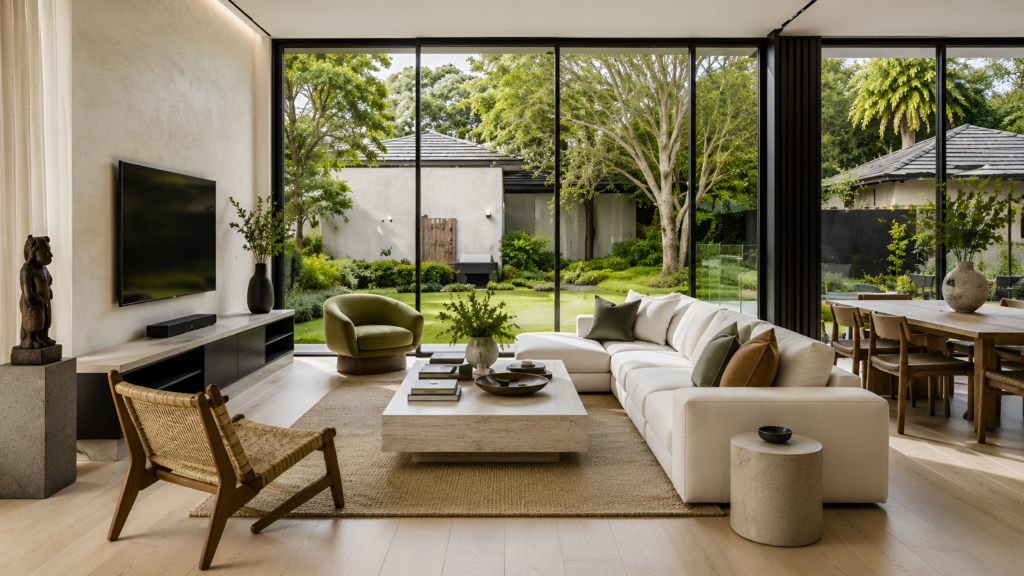
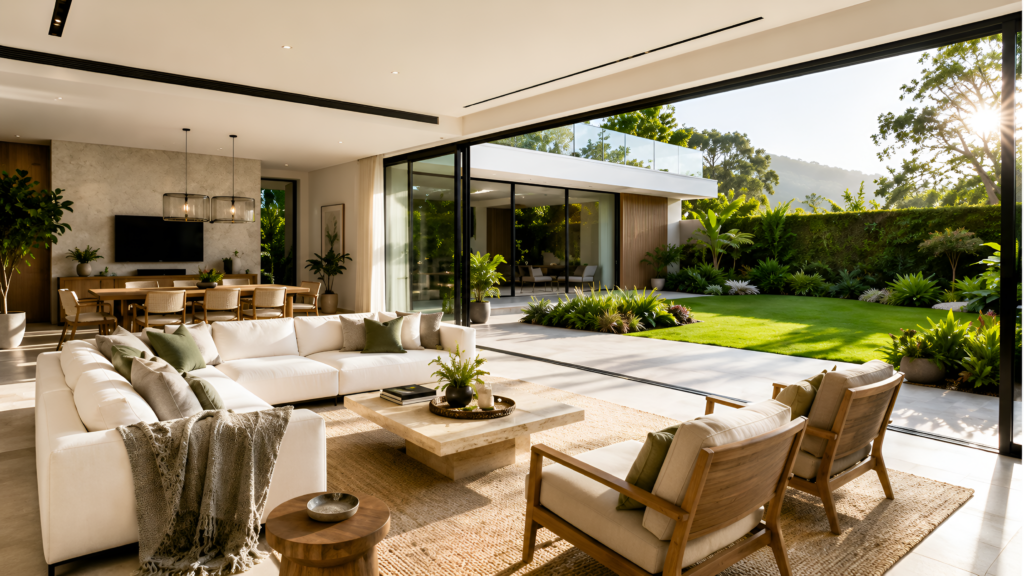
Homes that seamlessly connect indoor and outdoor spaces naturally receive more daylight while offering a refreshing living experience. Large sliding doors, garden-facing windows, and private courtyards encourage natural ventilation and provide calming views of greenery. This design approach enhances comfort, supports relaxation, and creates a stronger relationship
between architecture and nature.
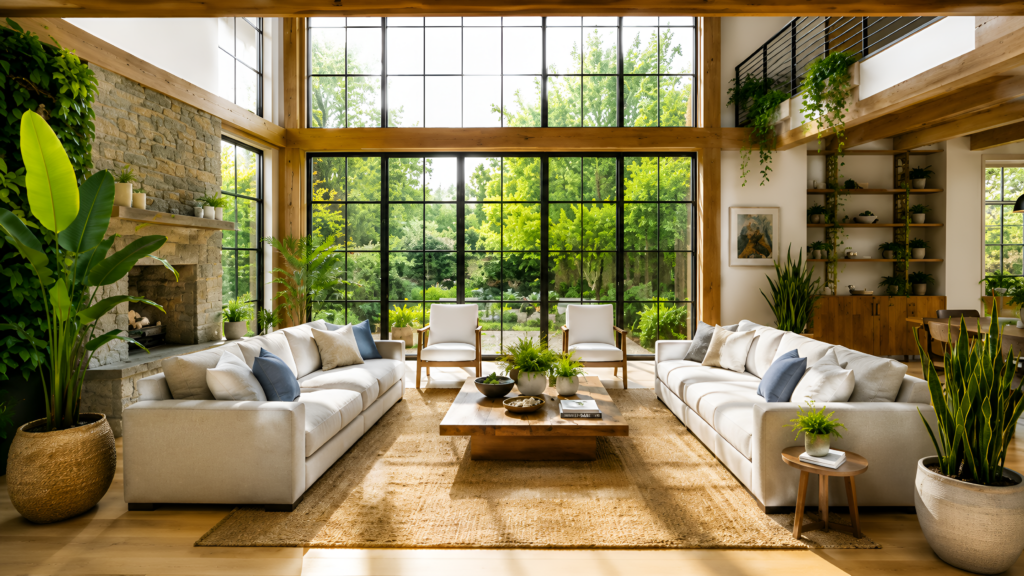
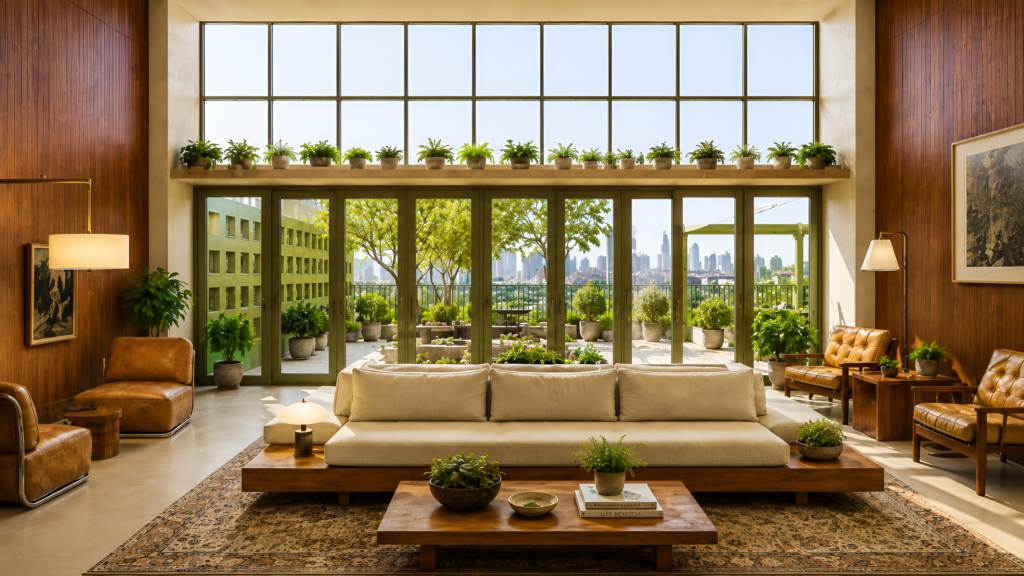
Biophilic design combines natural light with indoor plants, wood, stone, and organic materials to create healthier living environments. Sunlit spaces filled with greenery help reduce stress, improve indoor air quality, and make homes feel calm and welcoming. This approach has become increasingly popular in modern luxury interiors because it promotes both physical and mental well-being.
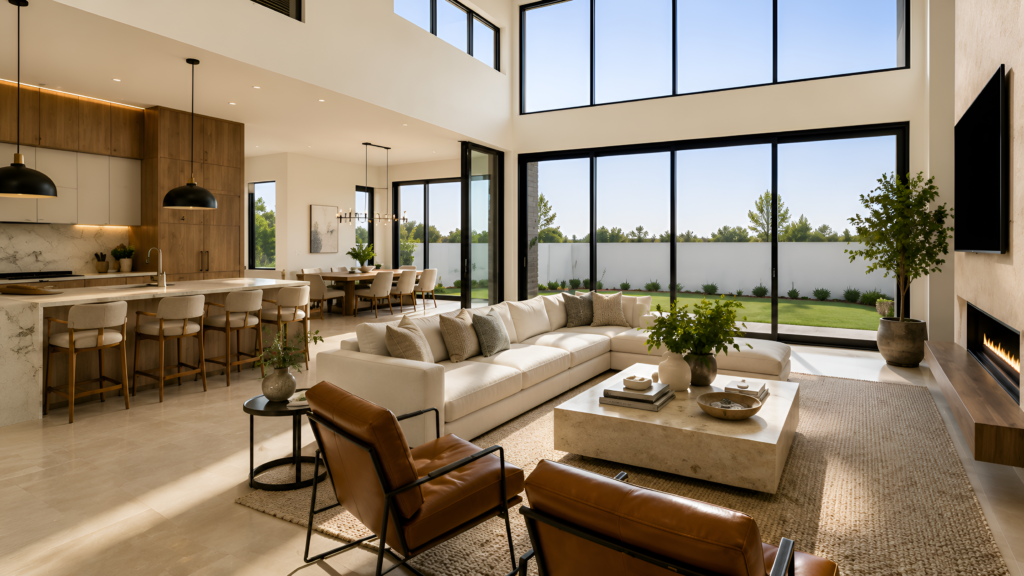
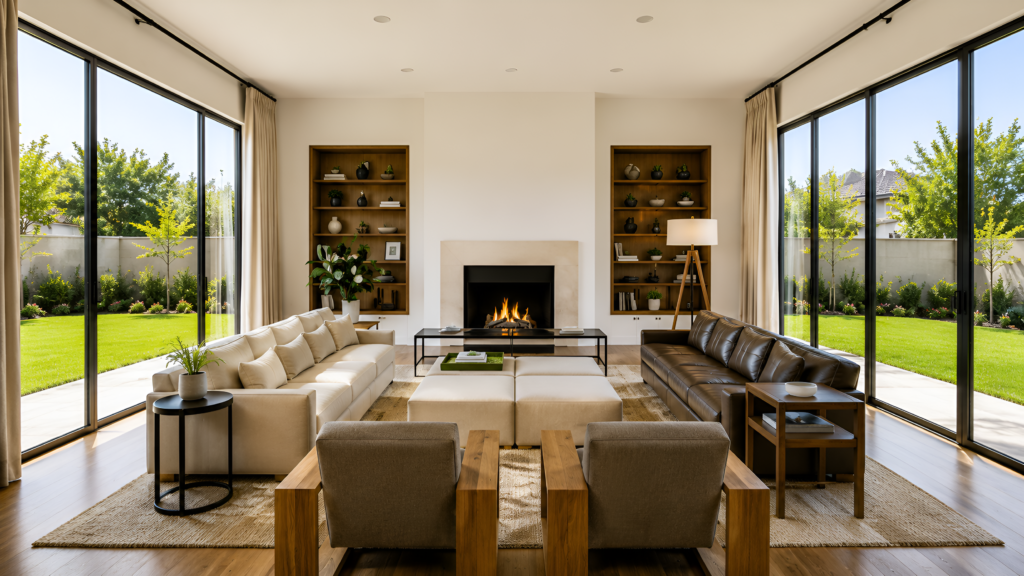
Designing homes around natural light significantly reduces the dependence on artificial lighting during the day, leading to lower electricity bills and a smaller environmental footprint. When combined with energy-efficient glazing and proper insulation, daylighting helps maintain indoor comfort while supporting sustainable living. It’s a practical investment that benefits both homeowners and the environment.
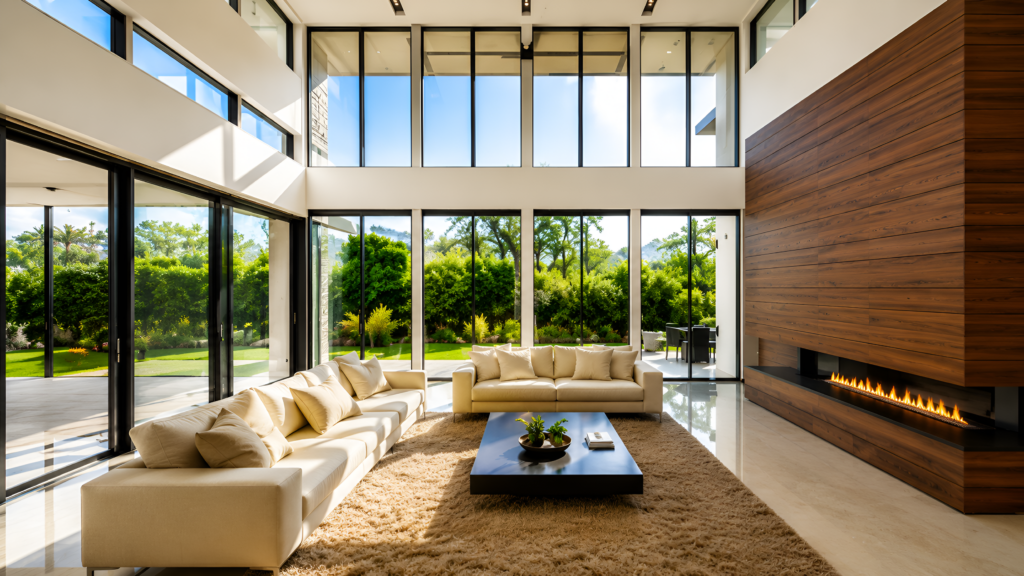
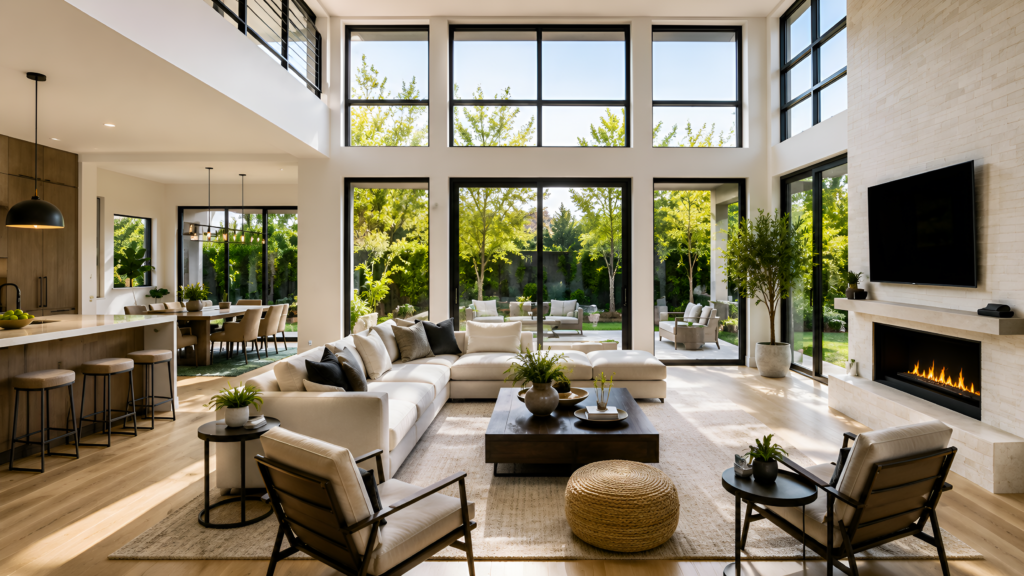
The placement and orientation of windows determine how much sunlight enters a home throughout the day. East-facing windows capture gentle morning light, while north-facing windows provide soft and consistent illumination. Properly positioned windows help reduce glare, improve thermal comfort, and ensure that every room receives balanced natural light, making the home more functional and visually appealing.
Designing homes around natural light is more than an architectural trend—it’s a smart investment in comfort, wellness, and sustainability. By incorporating large windows, open layouts, skylights, light-colored interiors, and thoughtful window placement, homeowners can create spaces that feel brighter, healthier, and more energy-efficient. A well-lit home not only enhances everyday living but also increases long-term property value, making natural light one of the most important elements of modern home design.