

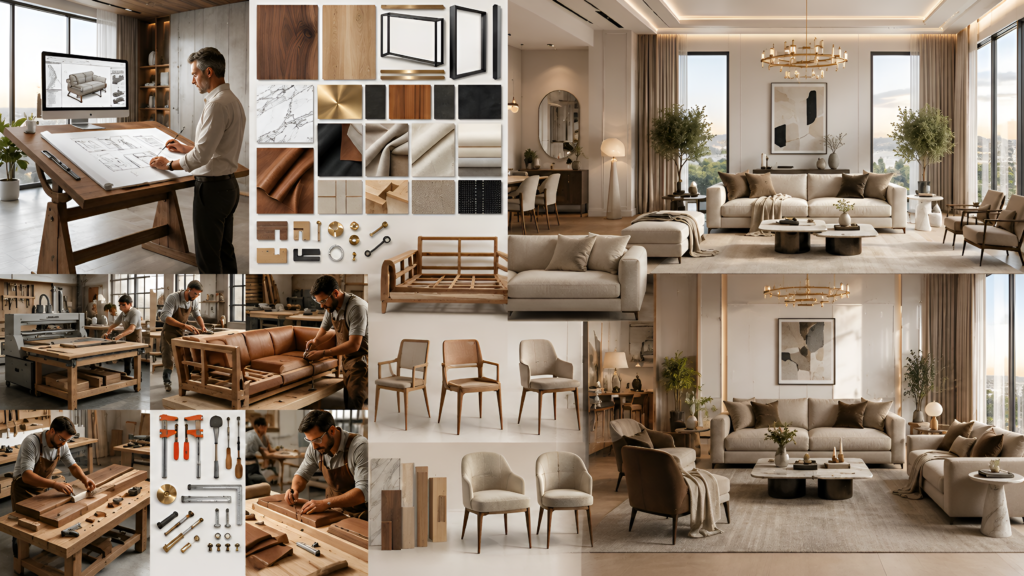
When people think about creating a beautiful home, the terms Furniture Design and Furniture Styling are often used interchangeably. Although both contribute significantly to a home’s appearance and functionality, they represent two completely different disciplines within interior design.
Furniture design focuses on creating the furniture itself—its structure, materials, ergonomics, engineering, and manufacturing. Furniture styling, on the other hand, is about arranging furniture and accessories to create visually balanced, comfortable, and inviting interiors.
Understanding this distinction helps homeowners make better design decisions, whether they are renovating a luxury residence, designing a new apartment, or investing in bespoke furniture. In this comprehensive guide, we’ll explore the differences, responsibilities, processes, and importance of both furniture design and furniture styling.
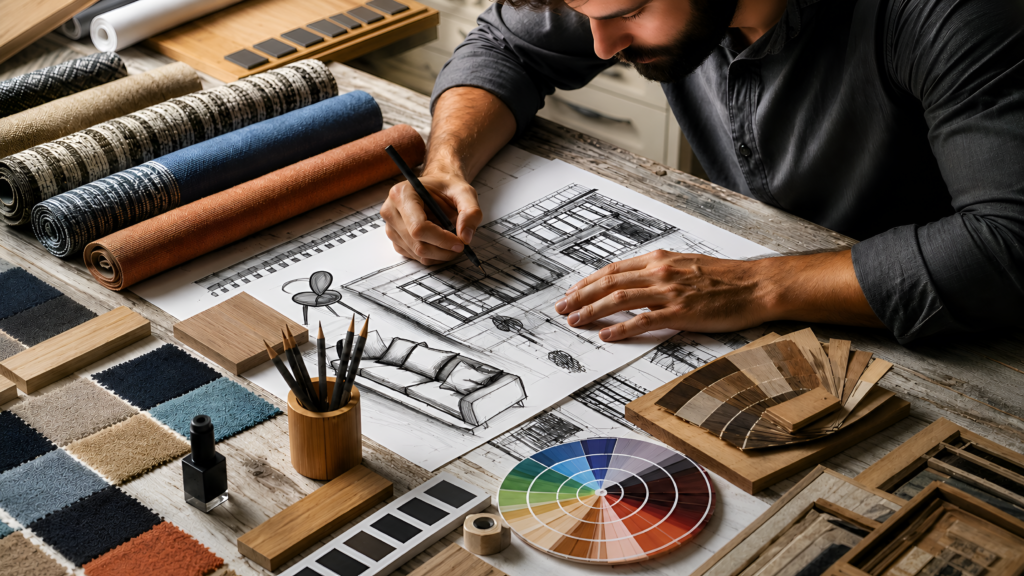
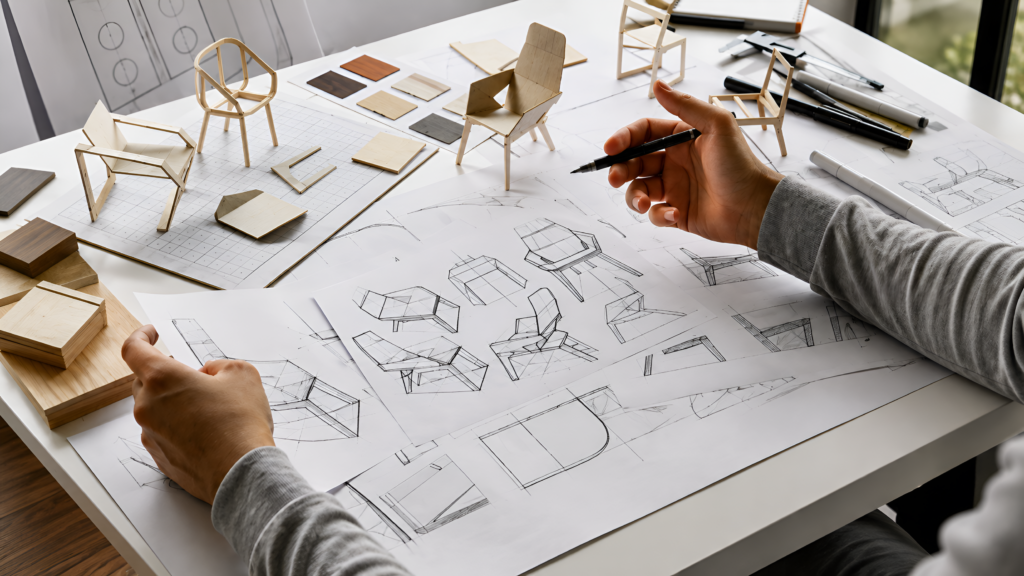
Furniture design is the process of transforming an idea into a functional and aesthetically pleasing piece of furniture. It begins with understanding the needs of the user and continues through research, concept development, technical drawings, material selection, prototype creation, and manufacturing. Every aspect of the furniture, from its dimensions and structure to its finish and durability, is carefully planned to ensure it performs efficiently while complementing the surrounding interior.
Professional furniture designers combine creativity with engineering knowledge to produce furniture that is comfortable, practical, and visually appealing. They study ergonomics, manufacturing techniques, material behavior, and construction methods to ensure each piece offers long-term value. Whether designing a bespoke dining table, a modular wardrobe, or a luxury sectional sofa, the designer focuses on creating products that solve everyday problems while enhancing the beauty of a space.
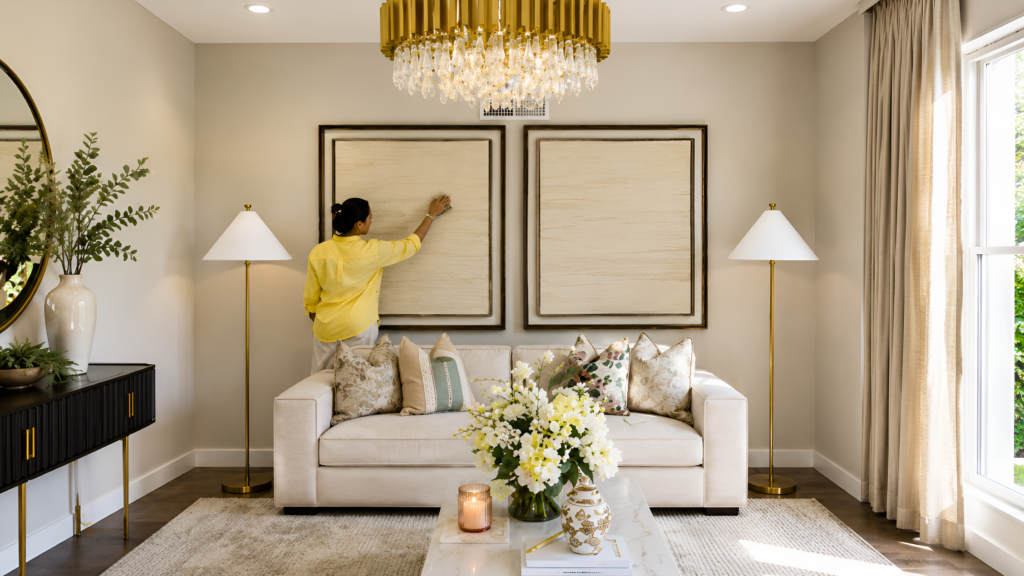
Furniture styling is the art of arranging furniture and decorative elements to create interiors that feel balanced, welcoming, and visually cohesive. Unlike furniture design, which focuses on creating the furniture itself, styling concentrates on how furniture interacts with the surrounding environment. A furniture stylist carefully considers layout, scale, colors, textures, lighting, artwork, rugs, soft furnishings, and decorative accessories to build a harmonious atmosphere.
The purpose of furniture styling is not only to make a room attractive but also to improve the way people experience the space. A well-styled room reflects the homeowner’s personality while ensuring comfort, functionality, and elegance. Through thoughtful placement and careful coordination of decorative elements, furniture styling transforms an ordinary room into a sophisticated and inviting living environment.
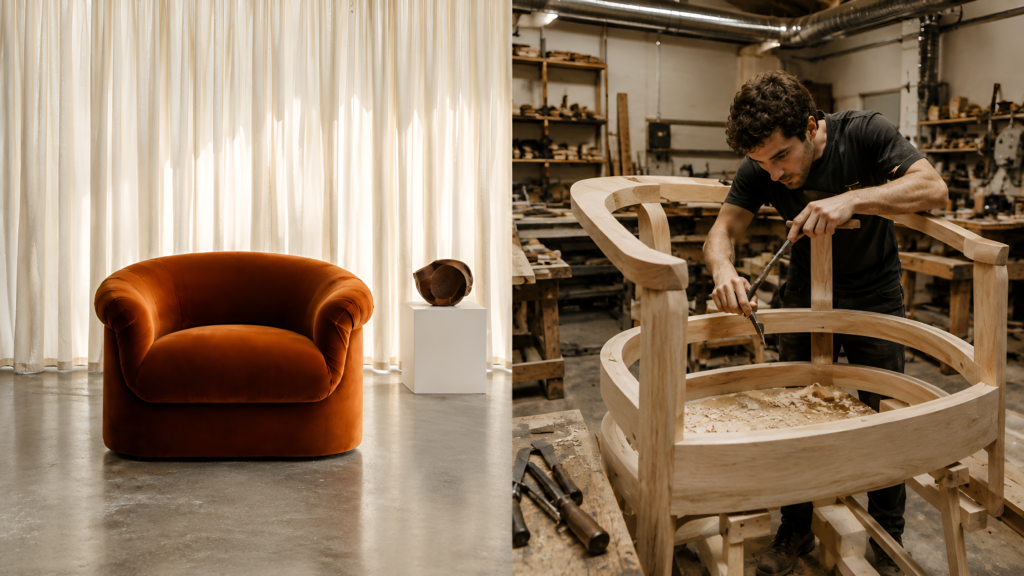
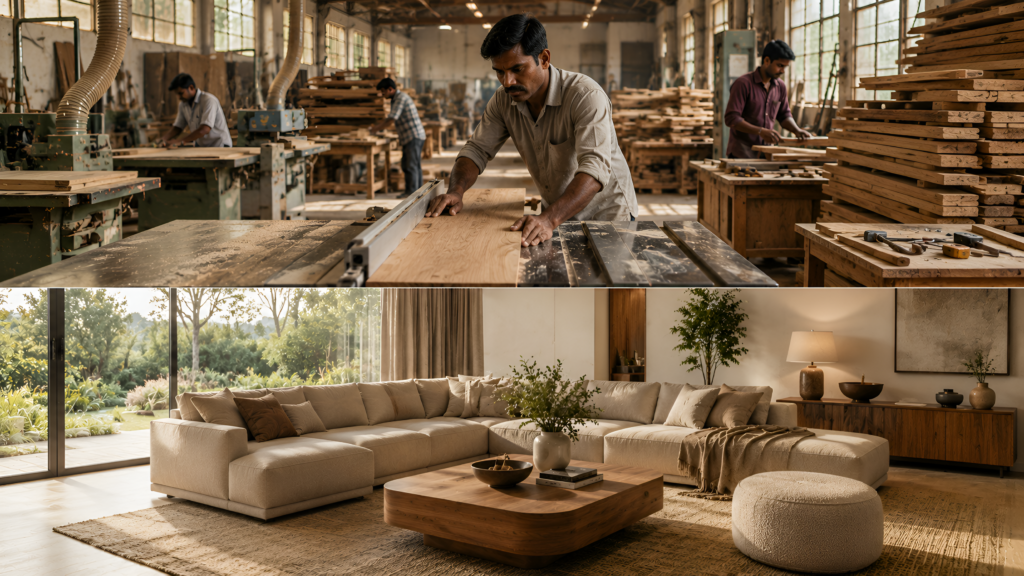
The simplest way to understand the difference between furniture design and furniture styling is to recognize that furniture designers create the products, while furniture stylists create the experience of living with those products. Furniture designers focus on questions related to comfort, durability, structural integrity, material selection, and manufacturing efficiency. Their responsibility is to ensure every piece performs its intended function while maintaining aesthetic appeal.
Furniture stylists, however, focus on how those finished pieces work together within a room. They determine the best furniture placement, select complementary rugs, artwork, cushions, lighting, and accessories, and ensure that every element contributes to a balanced and luxurious interior. While furniture design lays the foundation for beautiful interiors, furniture styling adds personality, warmth, and emotional appeal that make a house truly feel like a home.
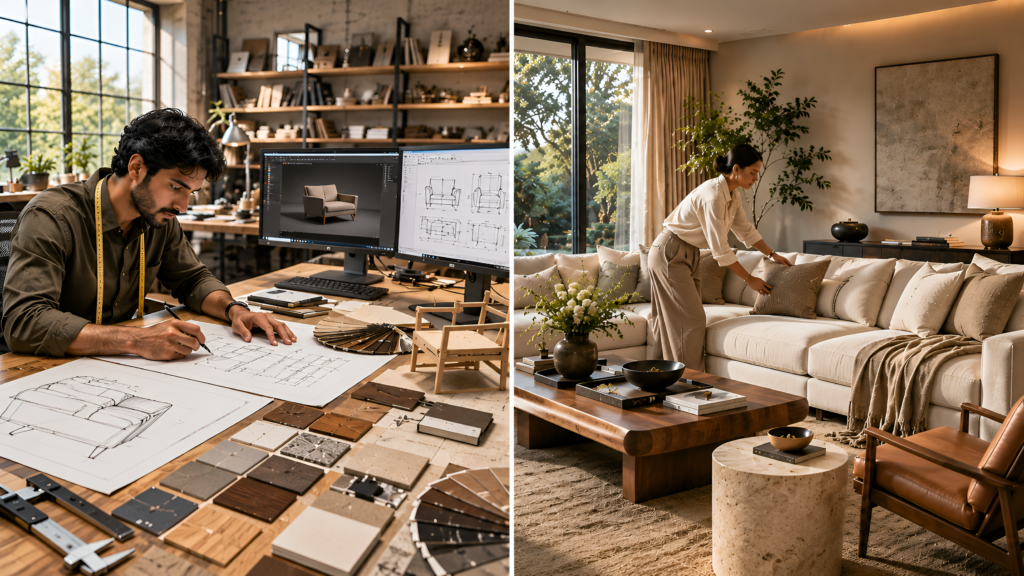
Although furniture designers and furniture stylists both work within the world of interiors, the skills required for each profession are significantly different. Furniture designers require technical expertise in engineering, ergonomics, CAD software, joinery techniques, manufacturing processes, and material science. They must understand how different materials behave over time, how furniture is constructed, and how to create products that are both durable and visually appealing.
Furniture stylists, on the other hand, rely heavily on artistic vision and spatial awareness. Their expertise includes color theory, texture layering, furniture arrangement, lighting design, trend forecasting, visual balance, and decorative storytelling. They understand how different furnishings interact within a room and how subtle adjustments in layout or accessories can dramatically change the atmosphere of a space. Together, these complementary skills ensure that interiors are both functional and aesthetically refined.
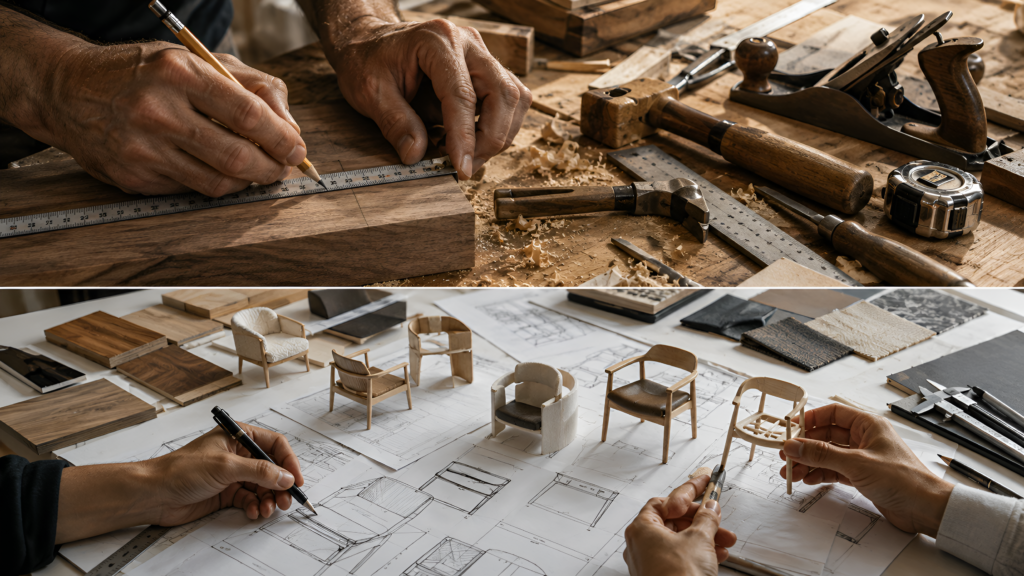
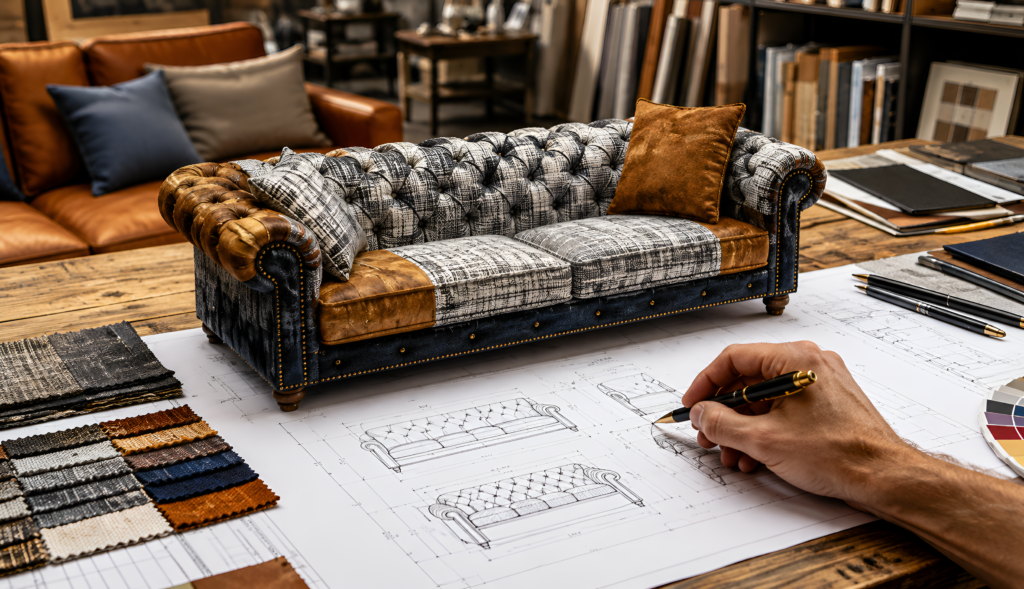
The furniture design process follows a structured journey from concept to completion. It begins with understanding the client’s lifestyle, preferences, functional requirements, and available space. Designers then create sketches and digital 3D models to explore proportions, forms, and design possibilities before selecting suitable materials and finishes.
Once the concept has been finalized, prototypes are developed and tested to ensure comfort, strength, and usability. After necessary refinements, skilled craftsmen manufacture the furniture using precision techniques and premium materials. Each finished piece undergoes rigorous quality inspection before installation, ensuring it meets the highest standards of craftsmanship, durability, and visual excellence. This systematic process allows designers to create furniture that combines innovation, functionality, and timeless beauty.
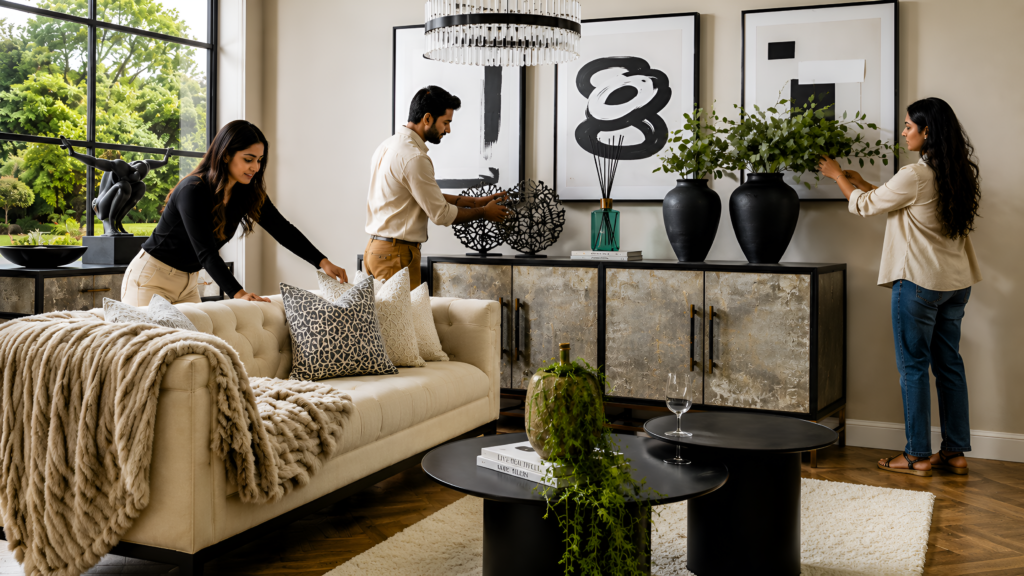
Furniture styling begins after the furniture has been selected or installed. The stylist first evaluates the architecture, natural lighting, color palette, room proportions, and intended purpose of the space. Based on these observations, furniture is arranged to maximize functionality, improve circulation, and create visual harmony throughout the room.
Once the primary furniture placement has been finalized, decorative layers are gradually introduced. Rugs help define different areas, cushions and throws add texture and comfort, artwork provides personality, while lighting creates depth and ambiance. Decorative accessories such as vases, sculptures, books, mirrors, and indoor plants complete the composition without overwhelming the space. Through careful editing and attention to detail, furniture styling creates interiors that feel elegant, balanced, and effortlessly luxurious.
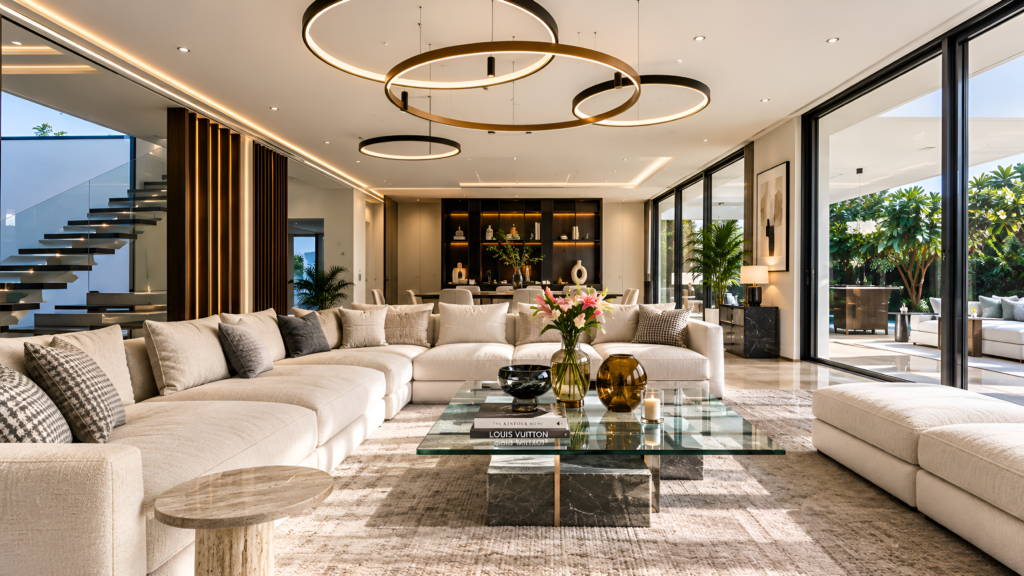
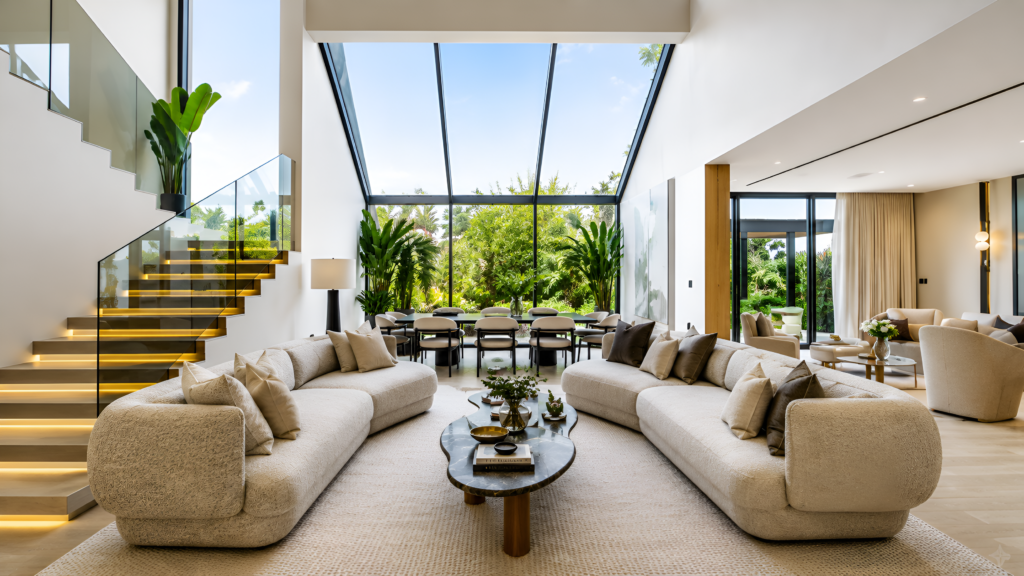
Luxury interiors achieve their timeless elegance by combining exceptional furniture design with professional furniture styling. Custom-designed furniture ensures every piece fits perfectly within the architectural layout while meeting the homeowner’s functional needs and personal preferences. Bespoke furniture also offers superior craftsmanship, premium materials, and unique designs that cannot be achieved through mass-produced products.
Furniture styling then enhances these beautifully designed pieces by creating a cohesive visual narrative throughout the home. Carefully selected colors, textures, lighting, decorative accessories, and artwork work together to highlight the furniture while creating a warm and inviting atmosphere. This collaboration between furniture designers and furniture stylists results in interiors that are sophisticated, comfortable, and uniquely tailored to the lifestyle of the homeowner, ultimately delivering the luxurious living experience that modern homes aspire to achieve.
Furniture design and furniture styling are two distinct yet equally essential components of successful interior design. Furniture design focuses on creating functional, durable, and aesthetically pleasing pieces that form the foundation of every interior, while furniture styling enhances those pieces through thoughtful arrangement, decorative layering, and visual balance.
When these two disciplines work together, they create interiors that are not only beautiful but also highly functional and deeply personal. Whether you are building a new luxury residence, renovating an existing home, or investing in bespoke furniture, understanding the difference between furniture design and furniture styling will help you make informed decisions and achieve interiors that remain elegant, comfortable, and timeless for years to come.